31 Years Later, China Still Faces Questions Over Disappearance of Tibet’s Panchen Lama
International human rights organisations and Tibetan advocacy groups are once again demanding answers from China over the disappearance of the 11th Panchen Lama, one of Tibetan Buddhism’s most important spiritual figures, who has not been seen publicly for more than three decades.
The case of Gedhun Choekyi Nyima continues to attract global attention 31 years after he was recognised by the Dalai Lama as the reincarnation of the Panchen Lama in May 1995. Just days after the recognition, Chinese authorities allegedly took the six-year-old boy and his family into custody. Since then, neither he nor his parents have appeared in public.
Who Is the Panchen Lama?
The Panchen Lama is considered the second-highest spiritual authority in Tibetan Buddhism after the Dalai Lama. Traditionally, the Dalai Lama and the Panchen Lama play important roles in recognising each other’s reincarnations, making the position highly significant in Tibetan religious and political life.
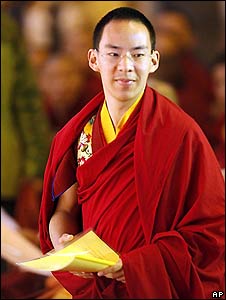
Gedhun Choekyi Nyima was recognised as the 11th Panchen Lama by the Dalai Lama on May 14, 1995. However, Chinese authorities rejected the recognition and later appointed another Tibetan boy, Gyaltsen Norbu, as the official Panchen Lama approved by Beijing.
Global Concerns Over Enforced Disappearance
Tibetan exile organisations and international rights groups describe the Panchen Lama’s disappearance as one of the world’s longest-running cases of enforced disappearance involving a child. Advocacy groups continue to call on China to reveal his whereabouts and allow independent access to confirm his well-being.
Human rights organisations argue that the Panchen Lama’s detention symbolises broader concerns surrounding religious freedom, state control over Tibetan Buddhism, and restrictions on Tibetan cultural identity under Chinese governance.
China Maintains Silence on His Location
Chinese authorities have repeatedly stated that Gedhun Choekyi Nyima is living a “normal life” and does not wish to be disturbed. However, Beijing has not released verified public evidence regarding his condition or current whereabouts, leading to continued international scrutiny.
China also insists that the selection of Tibetan Buddhist leaders must comply with Chinese laws and government procedures. Officials argue that Beijing has legal authority over the recognition of reincarnated Tibetan lamas, including the future succession of the Dalai Lama.
Tibetan Groups Raise Religious Freedom Concerns
Tibetan advocacy groups claim that China’s handling of the Panchen Lama issue reflects wider efforts to tighten control over Tibetan religious institutions and influence the future leadership of Tibetan Buddhism. Critics accuse Beijing of interfering in centuries-old religious traditions for political purposes.
Rights organisations have also expressed concern that the disappearance of the Panchen Lama continues to affect Tibetan religious life, particularly as debates intensify over the eventual succession of the current Dalai Lama.
International Pressure Continues
Governments, lawmakers, and international organisations have repeatedly urged China to provide transparent information about the Panchen Lama. Tibetan groups continue to campaign globally for his release and for greater protections for religious freedom in Tibet.
Analysts say the issue remains one of the most politically sensitive topics in China-Tibet relations and is likely to continue shaping international discussions on human rights, religious freedom, and Tibetan identity for years to come.