Book “China’s Colonial Game in Tibet” Launched Ahead of Tibetan National Uprising Day
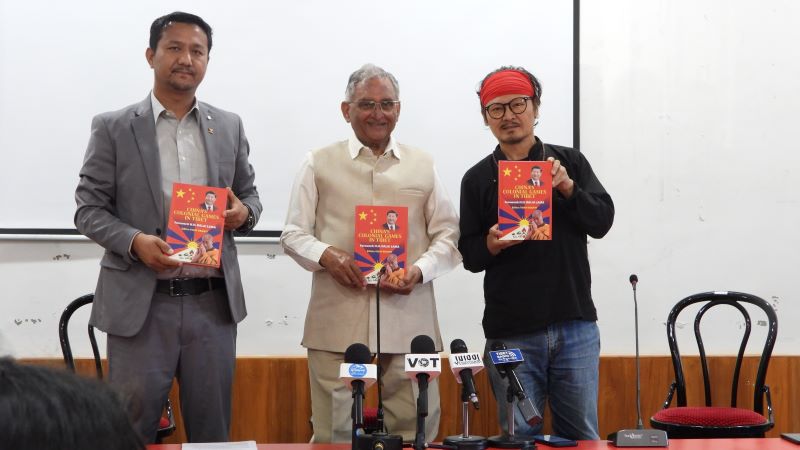
A new book titled “China’s Colonial Game in Tibet” was launched on March 6, 2026 in Dharamshala, India, just days before the annual observance of Tibetan National Uprising Day on March 10. The launch event brought together Tibetan activists, journalists, and supporters who gathered to discuss the political and cultural situation in Tibet. :contentReference[oaicite:0]{index=0}
The book was introduced during a public event held at the Tibetan Settlement Office in Dharamshala. The discussion was moderated by Tibetan activist and writer Tenzin Tsundue, while Indian journalist and Tibetologist Vijay Kranti, the author of the book, presented its main themes and arguments. :contentReference[oaicite:1]{index=1}
According to the author, the book examines China’s policies in Tibet and explores what he describes as “colonial-style strategies” used to control the region. The publication includes analysis of political governance, cultural influence, environmental issues, and the role of education and religion in Tibetan society under Chinese administration. :contentReference[oaicite:2]{index=2}
During the launch event, speakers discussed how the book aims to bring attention to the historical and contemporary challenges faced by Tibetans. The gathering also served as a platform for Tibetan activists and scholars to share perspectives on the region’s political situation and the importance of preserving Tibetan culture and identity. :contentReference[oaicite:3]{index=3}
Tsering Choephel, president of the Tibetan Youth Congress, delivered remarks during the ceremony and thanked participants for supporting the publication. Tibetan journalists and members of the local community also attended the press conference, highlighting the interest in the book within exile Tibetan circles. :contentReference[oaicite:4]{index=4}
The launch was intentionally scheduled ahead of Tibetan National Uprising Day, when Tibetan communities around the world commemorate the 1959 uprising in Lhasa against Chinese rule. The anniversary is marked annually with protests, rallies, and discussions aimed at raising global awareness about Tibet’s history and ongoing political debate. :contentReference[oaicite:5]{index=5}
Organisers said the publication is intended to encourage further research and discussion about Tibet’s past and present, while also drawing international attention to issues affecting Tibetan culture, religion, and political rights.