Beijing Criticises US Appointment of Tibetan Rights Envoy
China has strongly criticised the United States following Washington’s appointment of a new official responsible for Tibetan affairs, a move that has intensified diplomatic tensions between the two countries. The announcement has once again placed Tibet at the centre of global political debate over human rights and national sovereignty.
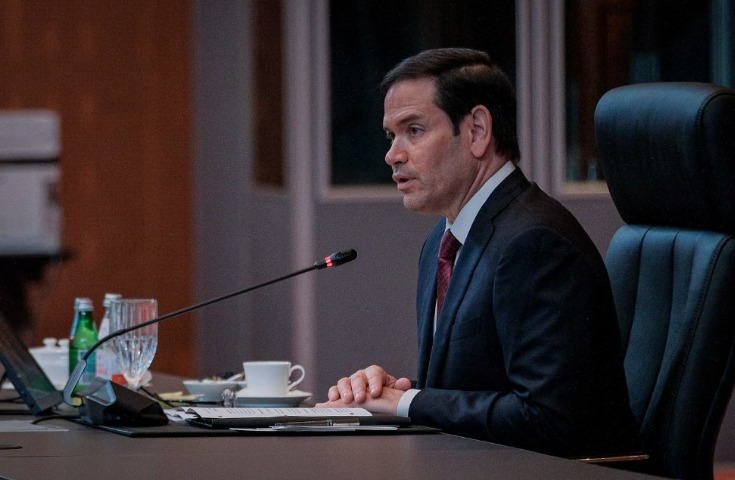
On February 17, 2026, US Secretary of State Marco Rubio announced that Riley M. Barnes, Assistant Secretary of State for Democracy, Human Rights and Labor, would also serve as the US Special Coordinator for Tibetan Issues. The timing of the announcement coincided with Losar, the Tibetan New Year, highlighting Washington’s continued engagement with Tibetan cultural and religious concerns.
The United States stated that the role aims to promote dialogue, protect Tibetan cultural identity, and support religious freedom. Established under US law in 2002, the coordinator position oversees American policy related to Tibet and encourages communication between Chinese authorities and Tibetan representatives.
Beijing responded sharply, accusing Washington of interfering in China’s internal affairs. Officials from China’s Foreign Ministry rejected the legitimacy of the position and reiterated that Tibet-related matters fall strictly under Chinese sovereignty. China maintains that Tibet is an inseparable part of its territory and opposes foreign involvement in regional issues.
Tibet has long remained a sensitive issue in US–China relations. While Chinese authorities argue that development policies have improved living standards in the region, Tibetan exile groups and international human rights organisations have raised concerns about restrictions on religious practices, language use, and cultural expression — allegations China denies.
The issue also carries global significance due to questions surrounding the future succession of the Dalai Lama, the Tibetan spiritual leader living in exile in India since 1959. Western policymakers have expressed concern that political influence could shape the selection of his successor, while Beijing insists the process must follow Chinese law and tradition.
Analysts view the appointment as part of a broader strategic rivalry between Washington and Beijing, where human rights issues increasingly intersect with geopolitical competition. Although the coordinator role does not represent a formal diplomatic envoy to China, it signals continued American attention toward Tibetan affairs.
The development is being closely observed across South Asia, particularly in India, home to a large Tibetan exile community. As both countries maintain firm positions, Tibet continues to remain a politically sensitive issue capable of triggering wider diplomatic tensions on the global stage.