Campaign to Free the Panchen Lama Highlights Ongoing Rights Concerns in Tibet
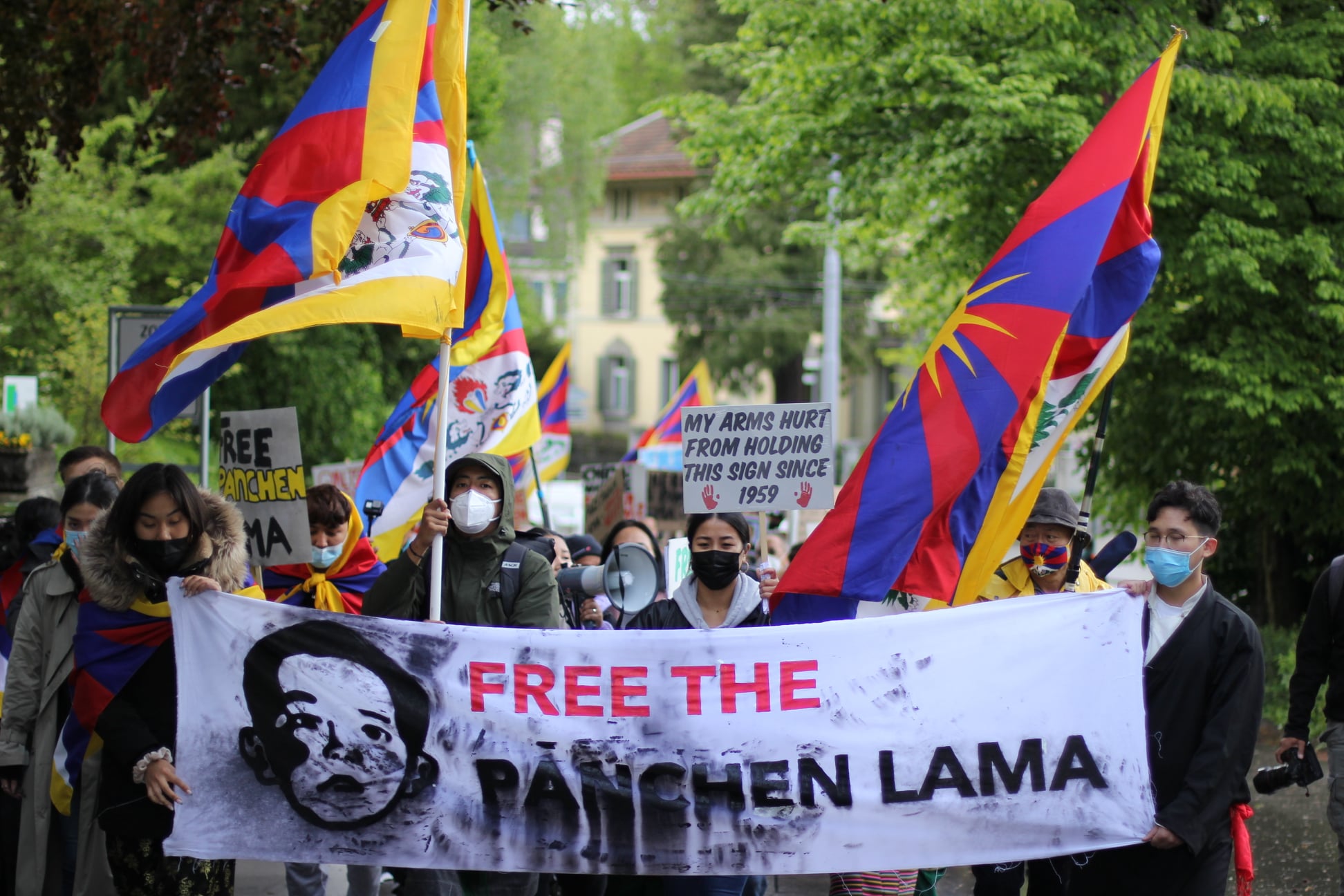
Geneva / Tibet (2026) — Human rights advocates and Tibetan exile organisations are renewing international calls for the release and safe return of the 11th Panchen Lama, one of the most prominent unresolved cases involving political prisoners from Tibet. The campaign emphasises longstanding concerns about religious freedom, due process, and the treatment of children under Chinese authority.
The Panchen Lama holds significant spiritual authority within Tibetan Buddhism as the second highest lama in the Gelug tradition, historically serving alongside the Dalai Lama. In 1995, six-year-old Gedhun Choekyi Nyima was recognised by His Holiness the 14th Dalai Lama as the 11th Panchen Lama — a decision rooted in centuries-old religious tradition. Days later, Chinese authorities took the child and his family into custody, and their whereabouts have remained unknown publicly ever since.
The case is widely cited by rights organisations as emblematic of broader state interference in religious affairs and minority cultural practices within Tibet. Many analysts view the Panchen Lama’s disappearance as part of a pattern in which the Chinese government seeks to control the selection and authority of influential spiritual figures, undermining traditional Tibetan Buddhist structures.
Beijing subsequently appointed its own candidate as the “official” Panchen Lama, a decision condemned by critics as politically motivated and lacking legitimacy in the eyes of most Tibetan Buddhists. This parallel appointment is seen as a direct attempt by the state to assert control over religious succession and diminish the influence of independent spiritual leadership.
Over the years, international human rights groups, foreign governments, and independent experts have repeatedly called for transparency regarding the Panchen Lama’s welfare and location. They argue that holding a now-adult spiritual figure in undisclosed custody without public access contravenes fundamental rights, including freedom of belief, the protection of children, and legal due process.
Advocates also warn of broader implications: if state authorities can determine religious leadership in Tibet, the autonomy of Tibetan cultural and spiritual life may be substantially weakened. This concern extends to fears that future reincarnations of other high-ranking lamas — including the Dalai Lama — could be similarly subject to state interference.
In recent years, the Panchen Lama case has been raised in international forums, including discussions at the United Nations Human Rights Council and parliamentary hearings in multiple countries. Supporters of the campaign for his release argue that renewed diplomatic pressure and global awareness campaigns are crucial to keeping the issue visible within international human rights discourse.
Despite decades of silence from Chinese officials about the Panchen Lama’s status, advocates remain steadfast. They call on the international community to renew calls for his safe release, secure access to independent monitoring, and respect for Tibetans’ right to determine their own religious leadership free from coercion.
The case of the Panchen Lama remains one of the most poignant symbols of the struggle for cultural and religious rights in Tibet — a reminder of both the resilience of Tibetan identity and the ongoing challenges faced by communities advocating for freedom and justice.