China Accused of Accelerating Forced Assimilation Policies Against Tibetans
Human rights organisations and Tibetan advocacy groups are raising fresh concerns over what they describe as China’s accelerating campaign of forced assimilation targeting Tibetan identity, religion, language, and traditional lifestyles across Tibetan regions.
Critics argue that Chinese government policies are increasingly aimed at integrating Tibetans into mainstream Han Chinese culture through state-controlled education systems, relocation programs, labour transfers, and tighter restrictions on Tibetan Buddhist institutions.
Boarding Schools Raise International Concern
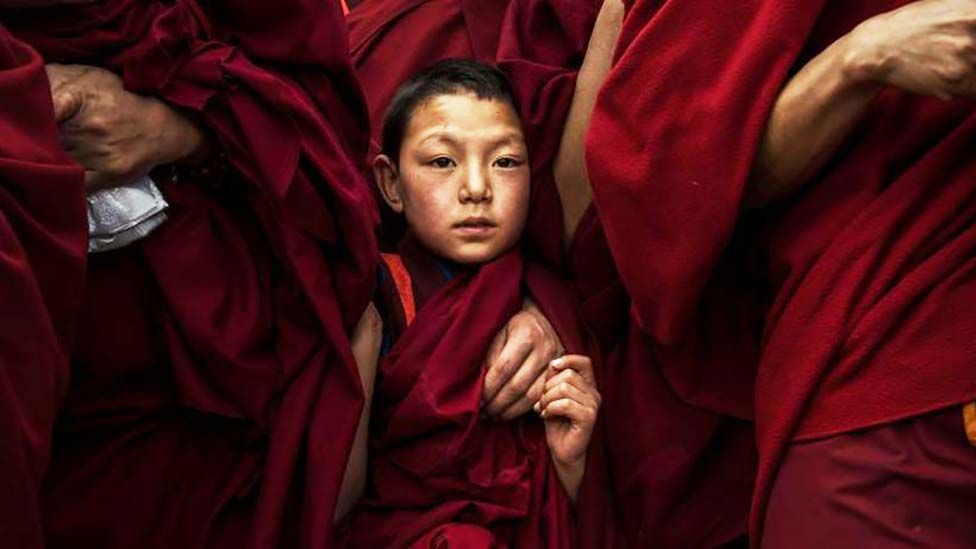
One of the most controversial issues involves the expansion of state-run boarding schools for Tibetan children. International rights groups and United Nations experts have expressed concern that large numbers of Tibetan children are being separated from their families and educated primarily in Mandarin Chinese rather than the Tibetan language.
Critics claim the boarding school system weakens Tibetan cultural identity by limiting children’s exposure to Tibetan traditions, religion, and language during their formative years. Several Western governments and international organisations have described the policy as a form of cultural assimilation.
Relocation and Urbanisation Policies Under Scrutiny
Human Rights Watch and other organisations have also raised concerns over the relocation of Tibetan nomads and rural communities into urban settlements. Reports suggest that many Tibetan herders and farmers have been moved away from traditional lands under programs officially described as poverty alleviation and rural development initiatives.
Critics argue that these relocations disrupt centuries-old Tibetan lifestyles centred around herding, agriculture, and spiritual ties to the land. Some reports claim relocated Tibetans often struggle to find employment and become increasingly dependent on state-controlled economic systems.
Forced Labour and Political Indoctrination Allegations
Advocacy groups have additionally accused Chinese authorities of operating labour transfer and vocational training programs that involve political indoctrination and cultural control. Reports claim some Tibetans are pressured into labour schemes that emphasise loyalty to the Chinese Communist Party while discouraging traditional religious practices.
Rights organisations say these policies resemble similar assimilation programs implemented in Xinjiang, where China has faced international criticism over treatment of the Uyghur Muslim population.
Religious Freedom Concerns Continue
Tibetan Buddhist monasteries remain under heavy state surveillance, according to exile groups and international observers. Restrictions on religious teachings, limitations on monastery enrolment, and bans on public displays of the Dalai Lama’s image have reportedly intensified in recent years.
Tibetan organisations argue that the increasing regulation of monasteries and religious leaders threatens the long-term survival of Tibetan Buddhism and traditional Tibetan cultural identity.
China Defends Its Tibet Policies
Beijing strongly rejects accusations of cultural repression or forced assimilation in Tibet. Chinese authorities maintain that policies in Tibetan regions are designed to improve education, reduce poverty, strengthen economic development, and preserve national unity.
China also argues that bilingual education programs and relocation initiatives provide Tibetans with better access to healthcare, infrastructure, employment opportunities, and modern public services. Officials frequently accuse foreign governments and exile groups of politicising Tibet-related issues to interfere in China’s internal affairs.
Growing International Debate Over Tibet
Concerns surrounding Tibet have increasingly become part of wider international debates over human rights, ethnic identity, and religious freedom in China. Governments in the United States and Europe have previously criticised Chinese policies involving Tibetan boarding schools and restrictions on cultural expression.
Analysts say Tibet remains one of the most politically sensitive issues in China’s relations with Western democracies, especially as international scrutiny grows over policies affecting minority communities and religious institutions across the country.