China’s Boarding School System in Tibet Under Scrutiny for Cultural Impact
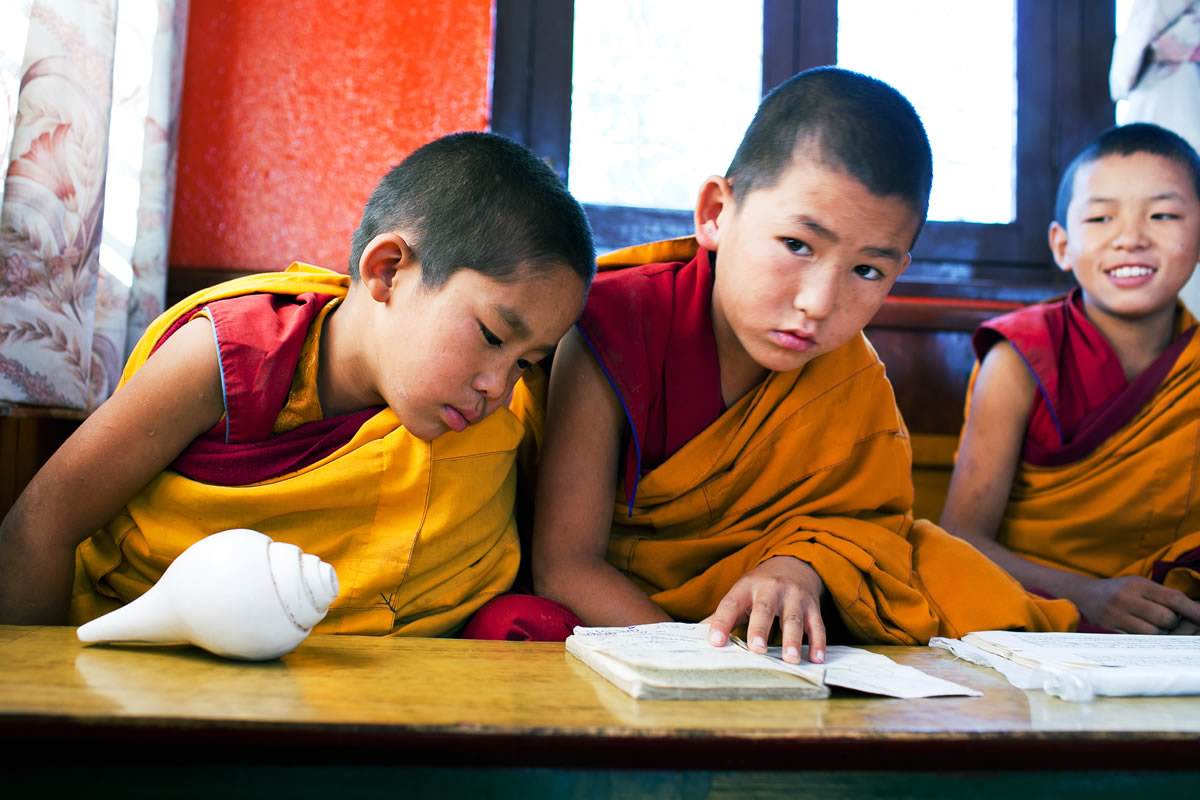
Beijing (January 9, 2025) — A major investigation has brought renewed international attention to China’s extensive system of government-run boarding schools in Tibetan regions, raising concerns among human rights advocates, educators, and policy experts. The report highlights how large numbers of Tibetan children are separated from their families and enrolled in residential institutions that critics say are reshaping their cultural and linguistic identity.
According to the investigation, many of the boarding schools—often located far from students’ home communities—conduct most instruction in Mandarin Chinese rather than Tibetan. Classroom materials and school activities reportedly emphasise national unity, patriotism, and loyalty to the state. Critics argue that this approach reduces the role of Tibetan language, history, and religious traditions in daily education.
The report includes accounts describing strict discipline, limited family contact, and emotional strain among some students. In several areas, children are enrolled in boarding schools from a very young age, sometimes beginning in preschool. Observers say that early and prolonged separation from family and community life may have long-term cultural and psychological effects.
Researchers and advocacy groups estimate that hundreds of thousands of Tibetan children are currently enrolled in government-run boarding schools, with many spending most of the academic year away from home. Critics describe the policy as part of a broader assimilation strategy aimed at integrating Tibetan communities more closely into mainstream Chinese society.
Chinese authorities defend the boarding school system as a practical solution to the challenges of providing education in remote and sparsely populated regions. Officials maintain that the schools offer improved facilities, professional teachers, and broader opportunities for students. They also state that Tibetan language and cultural studies remain part of the curriculum and that the policy is intended to enhance educational access and economic mobility.
International human rights experts, including several United Nations specialists, have expressed concern about the large-scale residential schooling of Tibetan children. They argue that prolonged separation from families and reduced use of native language instruction may undermine cultural rights and heritage protections.
The debate over boarding schools in Tibet reflects broader tensions surrounding cultural preservation, minority rights, and national integration policies in China. As scrutiny continues, the issue remains a focal point in discussions about education, identity, and the future of Tibetan communities.