China’s Broken Promise: How Tibet’s Promised Autonomy Was Dismantled Between 1951 and 1959
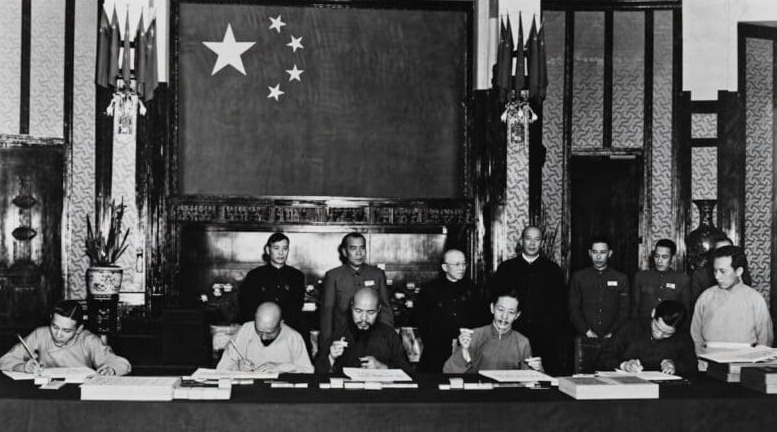
A growing body of historical analysis is once again drawing international attention to the collapse of Tibet’s promised autonomy under Chinese rule during the 1950s. Analysts and Tibetan activists argue that the guarantees made under the 1951 Seventeen-Point Agreement were systematically weakened within less than a decade, ultimately leading to the 1959 Tibetan uprising and the exile of the Dalai Lama.
The Seventeen-Point Agreement, signed in May 1951 between representatives of the Chinese government and Tibetan authorities, formally promised Tibet regional autonomy under Chinese sovereignty. The agreement pledged protection for Tibet’s political structure, religious freedom, and the continued authority of the Dalai Lama. Critics, however, contend that many of these commitments were gradually undermined through military pressure, political restructuring, and increasing intervention by Beijing.
Historical accounts indicate that Tibet had functioned with considerable independence before the rise of the Chinese Communist Party in mainland China in 1949. Tibet maintained its own administrative system, currency, postal services, and diplomatic contacts during much of the first half of the 20th century. Many historians describe Tibet as operating with de facto independence from 1912 until Chinese military forces entered the region in 1950.
The political situation changed rapidly after the People’s Liberation Army entered Tibet in 1950. Beijing described the move as a “peaceful liberation,” while Tibetan sources and several international observers argue that the agreement was signed under coercive circumstances. Tensions escalated throughout the decade as Chinese authorities expanded political control and introduced reforms that many Tibetans viewed as threats to their religion, culture, and traditional governance systems.
By March 1959, growing resentment erupted into a large-scale uprising in Lhasa. The revolt was crushed by Chinese forces, forcing the 14th Dalai Lama to flee to India along with thousands of Tibetan followers. The aftermath marked a major turning point in Tibet’s political future, with Beijing consolidating direct Communist Party control over the region.
Recent discussions surrounding Tibet’s history argue that the dismantling of Tibetan autonomy extended beyond politics into culture, religion, and education. Critics claim that language policies, restrictions on monasteries, and ideological education campaigns were used to integrate Tibetan society more closely into the Chinese state, weakening traditional Tibetan institutions and religious authority.
China, however, maintains that Tibet has historically been part of the country for centuries and argues that Chinese governance brought economic development, infrastructure, and modernization to the region. Official Chinese narratives describe the 1951 agreement as evidence of Tibet’s voluntary integration into the People’s Republic of China. Some scholars also dispute claims of full Tibetan independence prior to 1951, arguing that Tibet historically remained under varying degrees of Chinese sovereignty.
The debate over Tibet’s political status continues to influence international discussions on human rights, self-determination, and regional autonomy. The Tibetan government-in-exile, formally known as the Central Tibetan Administration, continues to operate from India while advocating for greater autonomy rather than complete independence.
More than six decades after the 1959 uprising, Tibet remains one of the most sensitive and contested political issues in modern Asia, reflecting broader tensions between national sovereignty, ethnic identity, and political freedom.