China Conducts Dalai Lama Photo Raids at Major Tibetan Monastery Outside Tibet Autonomous Region
Chinese authorities have reportedly conducted large-scale raids targeting photographs of the Dalai Lama at one of the most important Tibetan Buddhist monasteries outside the Tibet Autonomous Region, intensifying concerns over religious freedom and cultural repression in Tibetan areas.
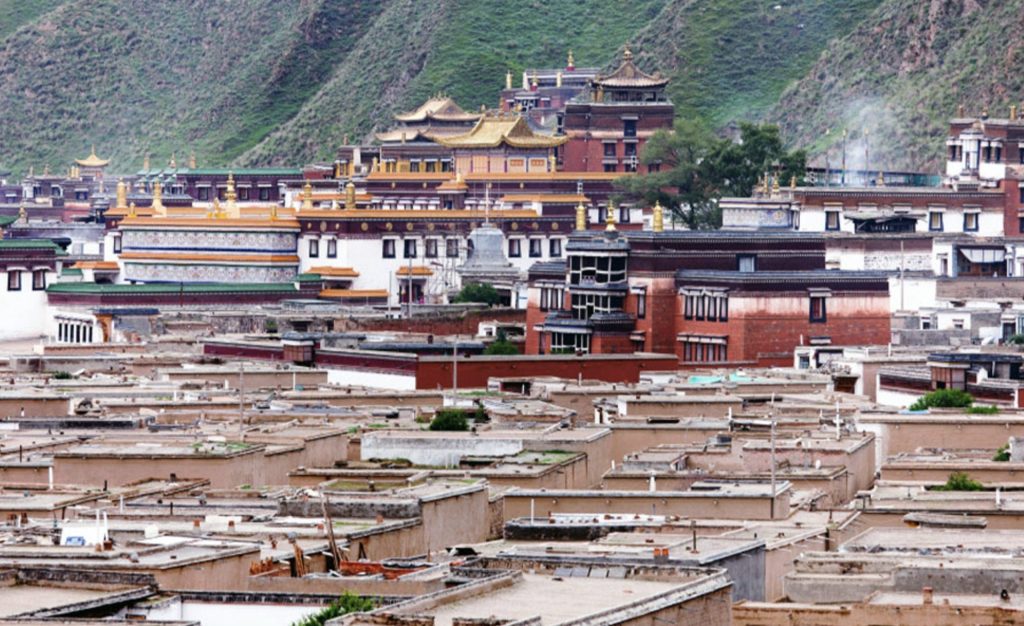
According to Tibetan sources, officials carried out surprise inspections at Labrang Tashi Khyil Monastery in Gansu Province, along with nearby villages and religious institutions. Authorities allegedly confiscated numerous photographs of the exiled Tibetan spiritual leader during the operation.
Monastery and Villages Reportedly Searched
Reports claim the raids began in mid-October and continued for several days across Tibetan communities in the region. Officials reportedly searched monks’ quarters, private homes, and religious sites in an effort to seize images of the Dalai Lama, whose photographs remain banned by Chinese authorities in Tibet and other Tibetan-populated areas.
Sources familiar with the operation stated that several large bags filled with confiscated portraits and religious materials were removed from the monastery and surrounding villages. Local residents were reportedly warned that possessing or displaying images of the Dalai Lama could lead to serious punishment.
Labrang Monastery Holds Major Religious Significance
Labrang Tashi Khyil Monastery is regarded as one of the six great monasteries of the Gelug school of Tibetan Buddhism and is considered among the largest Tibetan Buddhist institutions outside the Tibet Autonomous Region. The monastery has historically served as a major centre for Buddhist learning, religious education, and Tibetan cultural preservation.
Tibetan groups and international observers say monasteries such as Labrang continue to face heavy surveillance due to their cultural and spiritual influence among Tibetan communities.
China Intensifies Restrictions on Dalai Lama Images
Chinese authorities have long prohibited public displays of the Dalai Lama’s image in Tibet, describing him as a separatist figure. Tibetans found possessing his photographs have reportedly faced detention, imprisonment, and political investigations in several cases over recent years.
Human rights organisations claim the restrictions form part of broader policies aimed at weakening Tibetan religious identity and limiting loyalty toward the exiled spiritual leader, who has lived in India since 1959 following a failed uprising against Chinese rule in Tibet.
Growing Concerns Over Religious Freedom
Tibetan advocacy groups have condemned the raids, arguing that confiscating religious images represents a violation of basic religious freedoms and cultural rights. Critics say the campaign reflects increasing state control over monasteries, religious education, and expressions of Tibetan identity.
Reports also indicate that communication restrictions were imposed in the region following the searches, making independent verification of the situation difficult. Some sources alleged that local Tibetans were intimidated into surrendering photographs voluntarily to avoid possible legal consequences.
China Defends Tibet Policies
Beijing maintains that its policies in Tibetan regions are intended to preserve social stability, combat separatism, and ensure national unity. Chinese authorities reject accusations of religious repression and argue that Tibetan Buddhism is protected under Chinese law.
However, international rights groups and Tibetan exile organisations continue to express concern over surveillance measures, restrictions on monasteries, limitations on religious expression, and political campaigns targeting Tibetan cultural identity.
International Attention on Tibet Continues
The reported monastery raids have renewed global attention on the situation in Tibet as debates over religious freedom, cultural preservation, and China’s Tibet policies continue to shape international discussions. Analysts say incidents involving Tibetan monasteries increasingly carry geopolitical significance amid growing tensions between China and Western democracies over human rights issues.