China Criticised Over Remarks on Tibetan Diaspora Elections and Democracy
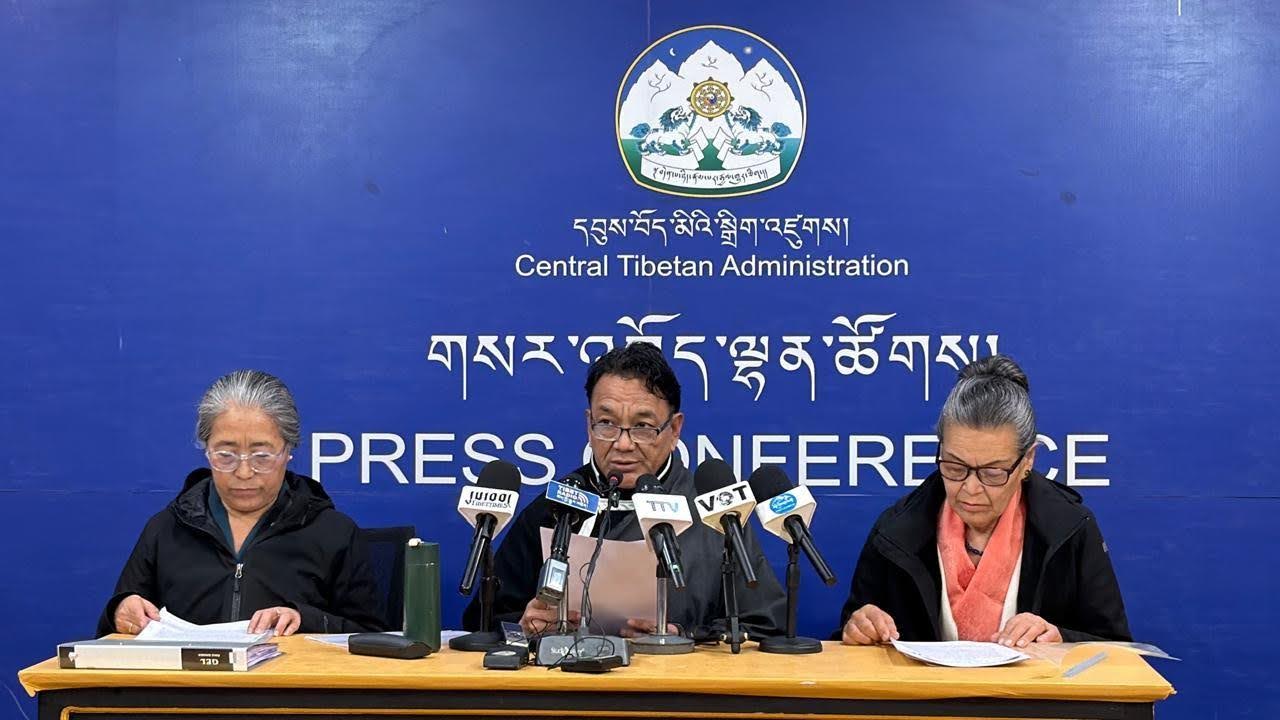
China is facing renewed criticism after state-linked commentators questioned the legitimacy of Tibetan diaspora elections, prompting strong responses from Tibetan leaders and international observers defending the democratic process of the exile community.
In a recent commentary published by JAPAN Forward, Tibetan scholar and representative Dr. Tsewang Gyalpo Arya accused Beijing of attempting to undermine the democratic institutions established by Tibetans living in exile. The article responded to criticism from Chinese state-affiliated voices that described the elections of the Central Tibetan Administration (CTA) as illegitimate and disconnected from Tibetans living inside Tibet. :contentReference[oaicite:0]{index=0}
Tibetan Diaspora Elections Under Scrutiny
The controversy emerged after Chinese commentators criticised the February 2026 voting process for the Tibetan Parliament-in-Exile and the election of the Sikyong, the political leader of the Tibetan exile administration based in Dharamshala, India. Chinese state-linked narratives reportedly described the elections as politically symbolic exercises lacking legal legitimacy.
Dr. Arya rejected these claims, arguing that the Tibetan exile community has built a functioning democratic system despite decades of displacement following the 1959 Tibetan Uprising and the exile of the 14th Dalai Lama. He stated that Tibetan democratic institutions have gained recognition internationally for their peaceful electoral process and representation of refugee communities worldwide.
China’s Tibet Policies Face Renewed Debate
The article also criticised Beijing’s governance in Tibet, alleging that Chinese authorities have violated promises of regional autonomy guaranteed under the 1951 Seventeen Point Agreement and China’s own constitutional protections for ethnic minorities.
According to the commentary, restrictions on religion, language, movement, and cultural identity continue to affect Tibetans living inside Tibet. It further claimed that increased surveillance, limits on Tibetan language education, and tighter political controls have intensified in recent years.
Beijing, however, maintains that Tibet has historically been part of China and argues that its policies have improved economic development, infrastructure, healthcare, and living standards in the region. Chinese authorities consistently reject accusations of cultural suppression and describe foreign criticism as interference in internal affairs.
2026 Tibetan Election Draws Global Attention
The Tibetan elections held in 2026 attracted international attention due to broader geopolitical tensions involving China, human rights concerns, and the future of Tibetan identity in exile. Reports indicate that Tibetan communities across more than 20 countries participated in the voting process for parliamentary and leadership positions.
Analysts say the dispute reflects the wider information battle between Beijing and Tibetan exile groups over representation, legitimacy, and the future political status of Tibet. The issue has become increasingly significant as China expands its global influence while Tibetan organisations continue to seek international support for cultural preservation and autonomy.
International Concerns Over Minority Rights
The debate surrounding Tibetan democracy also coincides with growing international scrutiny of China’s policies toward ethnic minorities, including Tibetans and Uyghurs. Human rights groups and several Western governments have repeatedly raised concerns regarding religious freedom, cultural assimilation, and political restrictions in minority regions.
Dr. Arya argued that despite political pressure and decades in exile, the Tibetan diaspora continues to preserve its cultural identity, language, and democratic institutions. He described the Tibetan exile system as an example of non-violent political organisation and community resilience.
As tensions between China and Tibetan advocacy groups continue, the issue remains a sensitive subject in international diplomacy, human rights discussions, and Asian geopolitics. The future of Tibet, the role of the Tibetan diaspora, and the legitimacy of exile institutions are likely to remain central topics in global policy debates.