China’s Expanding Tibetan School System Raises Concerns Over Language and Cultural Identity
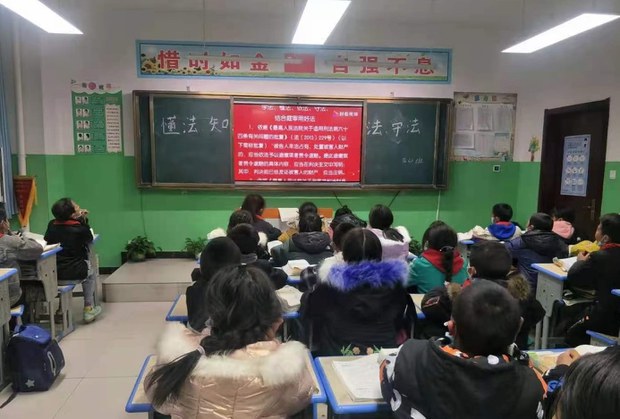
China’s rapidly expanding network of state-run schools in Tibetan regions is drawing growing international scrutiny as human rights organisations and Tibetan advocacy groups warn that the education system could accelerate cultural assimilation among Tibetan children.
Reports indicate that Beijing has intensified efforts to expand preschool and boarding school programs across Tibetan-populated areas, with critics arguing that the policies promote political loyalty to the Chinese Communist Party while reducing children’s exposure to Tibetan language, religion, and traditional culture.
Boarding Schools Become Central to Tibet Education Policy
International observers and Tibetan organisations claim that large numbers of Tibetan children now attend boarding schools or state-run educational institutions where Mandarin Chinese dominates classroom instruction and daily life. Advocacy groups argue that students often spend long periods separated from their families and local communities.
Critics say the growing emphasis on Mandarin-language education risks weakening the use of the Tibetan language among younger generations. Human rights groups have warned that language loss could have long-term consequences for Tibetan cultural and religious traditions.
Concerns Over Political Indoctrination
Tibetan advocacy organisations allege that political education has become an increasingly important part of school curricula in Tibetan regions. Reports claim students are encouraged to prioritise national identity and loyalty to the Chinese state while traditional Tibetan religious and cultural teachings receive less emphasis.
Rights groups argue that the policies form part of broader efforts to reshape Tibetan identity through education and social programs. Several international experts have described the developments as part of an assimilation strategy targeting minority cultures in China.
Dalai Lama’s Influence Remains Sensitive Issue
The future of Tibetan identity and education is also closely linked to concerns surrounding the influence of the Dalai Lama, who remains an important spiritual figure for Tibetans worldwide despite living in exile in India since 1959. Chinese authorities continue to restrict public displays of his image and oppose what Beijing describes as separatist activities linked to Tibet.
Analysts say Chinese education policies in Tibet are increasingly tied to long-term political objectives aimed at strengthening state control over religion, language, and cultural identity in Tibetan regions.
China Defends Its Education Policies
Beijing strongly rejects accusations of forced assimilation or cultural repression in Tibet. Chinese officials argue that expanded preschool and boarding school systems provide children in remote areas with better access to modern education, healthcare, infrastructure, and economic opportunities. Authorities also maintain that bilingual education policies allow students to learn both Mandarin Chinese and Tibetan.
Chinese officials frequently state that development programs in Tibetan areas are designed to reduce poverty, improve living standards, and strengthen national unity. However, international rights groups continue to call for stronger protections for Tibetan language, religion, and cultural heritage.
International Debate Over Tibet Continues
Concerns surrounding education policy in Tibet have become part of wider international debates involving human rights, ethnic identity, and religious freedom in China. Several governments and United Nations experts have previously urged Beijing to ensure that Tibetan children retain meaningful access to Tibetan-language education and cultural traditions.
Analysts believe the future of Tibetan education and cultural preservation will remain a politically sensitive issue in global discussions involving China, particularly as debates continue over minority rights, language preservation, and the future role of Tibetan Buddhism.