China’s Tibet Policy Faces Scrutiny Over Broken 1951 Autonomy Promise
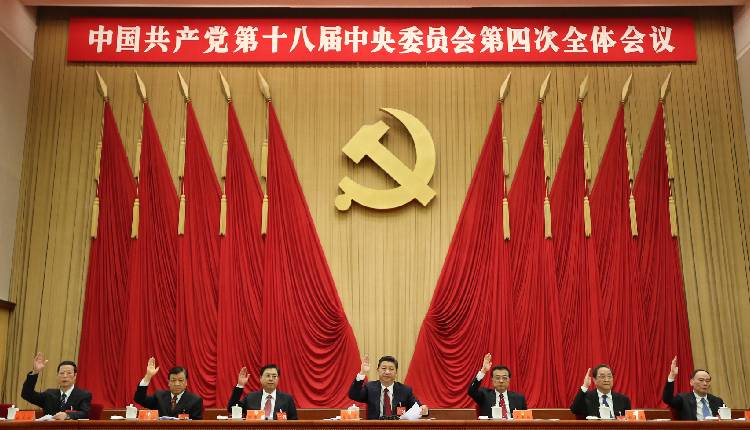
China’s long-standing policy toward Tibet has once again come under international scrutiny following renewed debate surrounding the 1951 Seventeen Point Agreement, an accord that critics claim promised Tibetan autonomy but was later systematically weakened by Beijing.
The agreement, officially known as the Agreement of the Central People’s Government and the Local Government of Tibet on Measures for the Peaceful Liberation of Tibet, was signed in May 1951 after Chinese forces entered Tibet. Under the pact, China assured that Tibet would retain regional autonomy, preserve its traditional political structure, protect the authority of the Dalai Lama, and maintain religious freedom while remaining under Chinese sovereignty.
However, historians, Tibetan groups, and international observers argue that many of these promises gradually eroded during the following decade. Reports and analyses suggest that increased military control, political restructuring, and tighter restrictions on Tibetan religious and cultural institutions replaced the autonomy framework envisioned in the original agreement.
The controversy intensified after the 1959 Tibetan Uprising in Lhasa, where large-scale protests against Chinese rule were met with a military crackdown. The uprising eventually forced the 14th Dalai Lama to flee to India, where he established the Tibetan government-in-exile. Many scholars view this period as the effective collapse of Tibet’s promised self-governance.
Critics also claim that the agreement itself was signed under political and military pressure, raising questions about its legitimacy. Tibetan exile groups have repeatedly argued that the deal did not represent a free and voluntary political settlement between equal parties.
China, however, continues to defend its policies in Tibet, stating that the region has historically been part of Chinese territory. Beijing describes the 1951 agreement as a “peaceful liberation” that ended feudal systems and brought economic development, modern infrastructure, education, and healthcare to Tibet.
Chinese authorities strongly reject accusations of cultural suppression and maintain that current measures are necessary to preserve national unity, social stability, and economic progress. Beijing has consistently opposed foreign criticism regarding Tibet, viewing such concerns as interference in China’s internal affairs.
The issue remains highly sensitive in global politics and continues to influence debates on human rights, cultural preservation, and self-determination. International organisations and policy experts remain divided over Tibet’s political status and the interpretation of historical agreements signed during the early years of Communist China.
As geopolitical tensions between China and Western nations continue to rise, Tibet remains a key issue in international diplomacy, with growing attention from human rights groups, governments, and global strategic analysts.