China’s Tibetan Boarding Schools Face Global Scrutiny Over Assimilation and Indoctrination Concerns
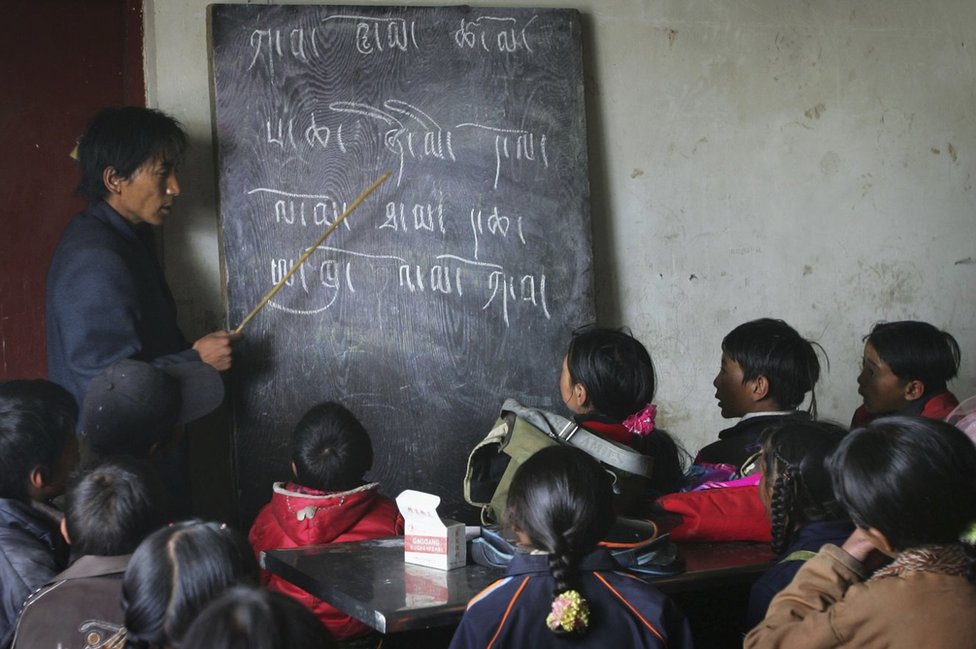
China’s extensive network of boarding schools in Tibetan regions is facing increasing international scrutiny amid allegations that the system promotes political indoctrination and cultural assimilation among Tibetan children.
Human rights organisations, Tibetan advocacy groups, and several international experts claim that large numbers of Tibetan children are being separated from their families and educated in environments heavily focused on Mandarin Chinese language instruction and loyalty to the Chinese Communist Party.
Millions of Tibetan Children Reportedly Affected
According to rights groups and United Nations experts, hundreds of thousands of Tibetan children are believed to be enrolled in state-run boarding schools across Tibetan areas. Critics argue that the system limits children’s exposure to Tibetan language, religion, and traditional culture during critical stages of development.
Reports indicate that many students spend most of the academic year away from their families, returning home only during holidays. Advocacy organisations say this separation weakens traditional family structures and reduces opportunities for cultural transmission within Tibetan communities.
Concerns Over Political Indoctrination
Human rights organisations allege that the curriculum in Tibetan boarding schools increasingly emphasises political education, national unity, and loyalty to the Chinese state. Critics argue that Tibetan children are encouraged to identify more closely with mainstream Chinese identity while traditional Tibetan cultural and religious teachings receive reduced emphasis.
Several international observers have described the system as part of a broader effort to reshape Tibetan identity through education and state-controlled social programs.
Tibetan Language and Culture Under Pressure
Tibetan advocacy groups warn that Mandarin Chinese has become the dominant language of instruction in many schools, while Tibetan-language education has gradually declined. Critics fear this trend could threaten the long-term survival of Tibetan language and cultural traditions.
Experts on Tibetan culture argue that schools have historically played an important role in preserving Tibetan history, literature, and religious traditions. They say reduced use of Tibetan language in classrooms could have lasting consequences for cultural continuity.
China Defends Boarding School Policies
Beijing strongly rejects accusations of forced assimilation or indoctrination. Chinese authorities maintain that boarding schools in Tibetan regions provide improved access to education, healthcare, modern facilities, and economic opportunities for children living in remote mountainous areas.
Officials also argue that bilingual education policies help students develop fluency in both Tibetan and Mandarin Chinese, increasing employment opportunities and social mobility. China insists that its policies are designed to reduce poverty, improve educational standards, and strengthen national unity.
International Debate Over Tibet Intensifies
Concerns surrounding Tibetan boarding schools have become part of wider international debates over human rights, minority rights, and cultural preservation in China. Several governments and United Nations experts have previously called on Beijing to protect Tibetan linguistic and cultural identity.
Analysts believe education policy in Tibet will remain a highly sensitive international issue as geopolitical tensions between China and Western countries continue to grow. The future of Tibetan language, religion, and cultural identity is expected to remain central to global discussions surrounding Tibet in the coming years.