
China Urged to Stop Hoarding Food and Fertiliser Amid Growing Global Supply Crisis
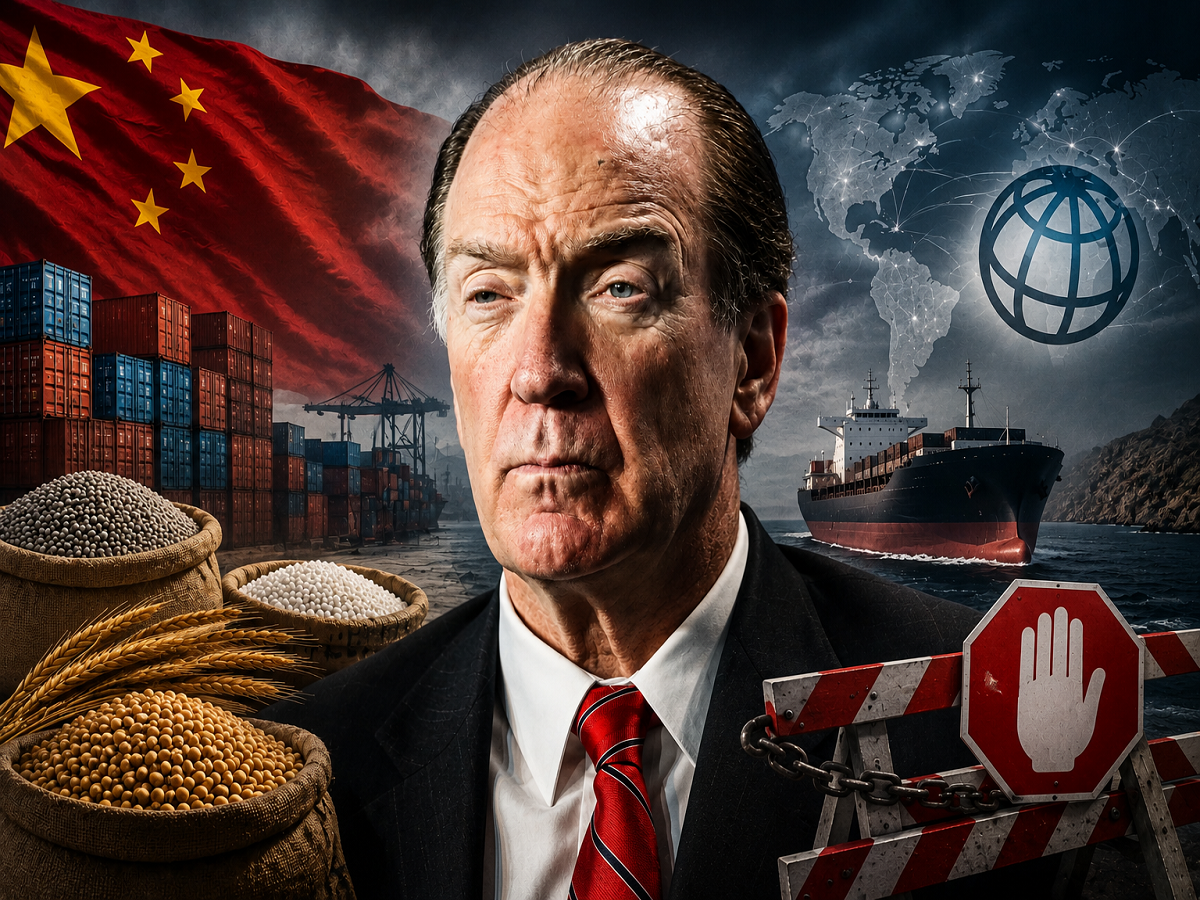
China is facing increasing international pressure to ease restrictions on food and fertiliser stockpiles as concerns grow over a worsening global supply crisis linked to disruptions in Middle East shipping routes and rising agricultural shortages worldwide.
Former World Bank President David Malpass has urged Beijing to stop building massive reserves of food and fertiliser, arguing that releasing supplies could help stabilise global markets and reduce pressure on developing countries already struggling with rising prices and food insecurity. :contentReference[oaicite:0]{index=0}
Global Fertiliser Shortage Raises Food Security Fears
The global fertiliser market has come under severe strain following disruptions caused by tensions in the Middle East and shipping restrictions near the Strait of Hormuz, one of the world’s most important trade routes for agricultural chemicals and energy supplies.
Industry analysts warn that fertiliser shortages during the critical spring planting season could significantly reduce crop yields across multiple regions, increasing the risk of higher food prices and worsening hunger in vulnerable countries. Fertiliser giant Yara International has reportedly warned that prolonged supply disruptions may threaten global food production. :contentReference[oaicite:1]{index=1}
According to reports, China has restricted exports of several fertiliser products since March 2026 in order to protect domestic agricultural supplies and stabilise local prices. Beijing is also believed to hold some of the world’s largest reserves of fertiliser and grain stockpiles. :contentReference[oaicite:2]{index=2}
China’s Export Restrictions Draw Global Attention
Critics argue that China’s export controls are intensifying global shortages at a time when countries across Asia, Africa, and Europe are struggling to secure enough agricultural inputs for farmers. India and several Southeast Asian nations have reportedly sought additional fertiliser supplies as prices continue to rise. :contentReference[oaicite:3]{index=3}
David Malpass stated that China possesses “the biggest world stockpile of foodstuffs and fertiliser” and suggested that Beijing could ease the crisis by slowing further stockpiling efforts and releasing additional exports to international markets. :contentReference[oaicite:4]{index=4}
However, some analysts defend China’s strategy, arguing that stockpiling food and fertiliser is part of Beijing’s long-term national security planning amid growing geopolitical uncertainty, climate risks, and supply chain disruptions. Discussions on social media platforms and policy forums have reflected divided international opinion on whether China’s policies represent strategic preparation or harmful hoarding. :contentReference[oaicite:5]{index=5}
China Defends Domestic Supply Measures
Chinese authorities maintain that export controls and reserve releases are necessary to protect domestic farmers and ensure food security for the country’s population. Reports indicate that Beijing recently instructed companies to release portions of fertiliser reserves to support spring agricultural production and stabilise local markets. :contentReference[oaicite:6]{index=6}
Beijing has repeatedly emphasised that maintaining stable food supplies remains a national priority, particularly during periods of international instability and fluctuating commodity prices. China is one of the world’s largest consumers and producers of fertiliser products, making its export policies highly influential on global agricultural markets.
Global Food Crisis Concerns Continue to Grow
International organisations and economists warn that continued fertiliser shortages could trigger a broader global food crisis over the coming year if planting seasons are disrupted and crop production declines. Developing countries dependent on fertiliser imports are expected to face the greatest challenges from rising agricultural costs and reduced supply availability. :contentReference[oaicite:7]{index=7}
Analysts say the crisis highlights the growing vulnerability of global food supply chains to geopolitical tensions, shipping disruptions, and export restrictions by major agricultural producers. As debates continue over China’s stockpiling policies, governments and international agencies are increasingly focused on securing stable food and fertiliser supplies to prevent future shortages and price shocks.