Concerns Grow Over China’s Policies Toward Tibetan Language and Cultural Identity
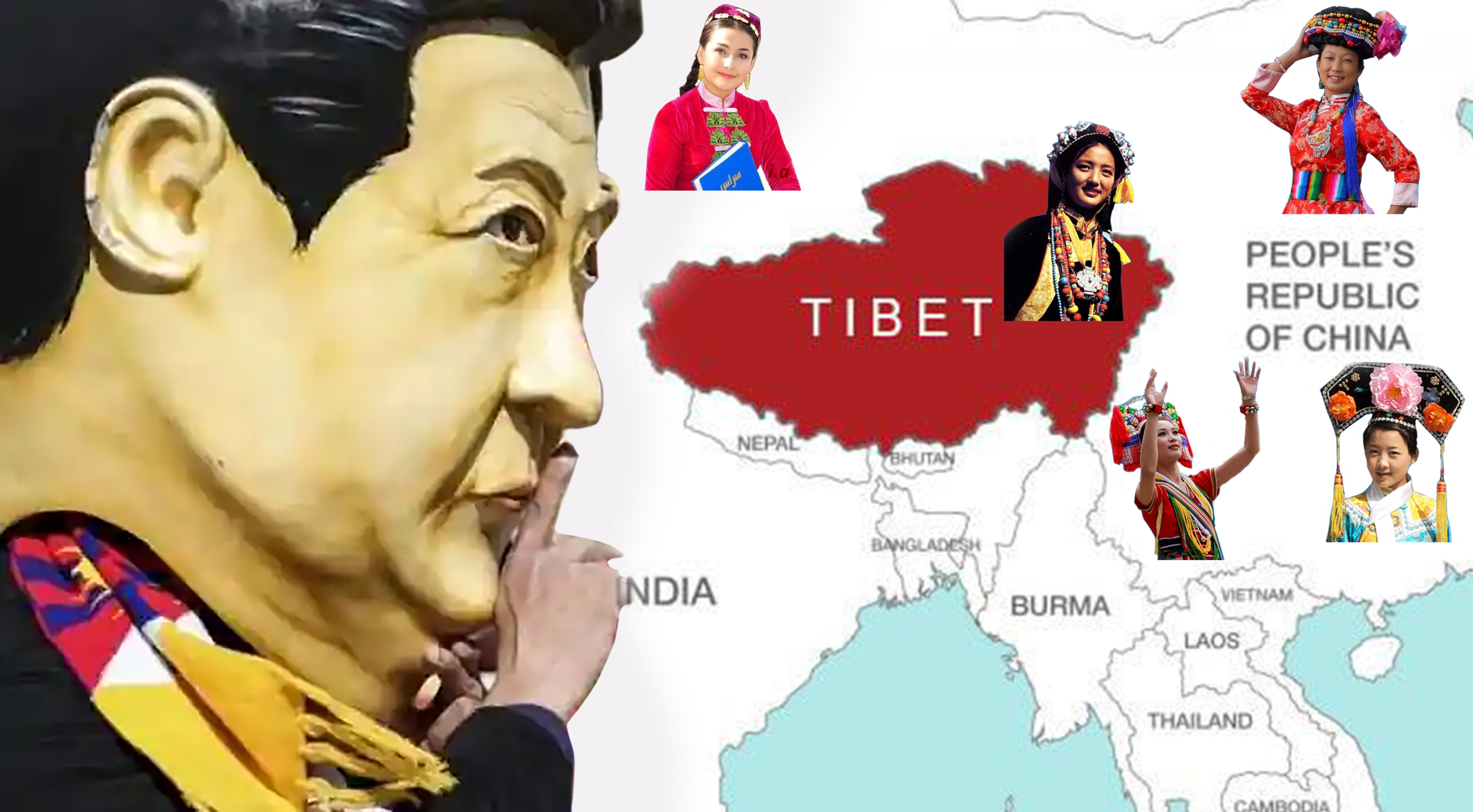
International human rights groups and Tibetan advocacy organisations are raising growing concerns over what they describe as China’s increasing restrictions on the Tibetan language, warning that the policies could threaten the long-term survival of Tibetan cultural identity.
Critics argue that Mandarin Chinese has become increasingly dominant in schools, public administration, and official communication across Tibetan regions, while opportunities for Tibetan-language education continue to decline.
Tibetan Language Education Under Pressure
Human rights organisations claim that many schools in Tibetan areas now prioritise Mandarin Chinese as the primary language of instruction, particularly in secondary and higher education. Advocacy groups say Tibetan-language classes have been reduced in several regions, limiting students’ ability to study their native language in formal education systems.
Critics argue that language plays a central role in preserving Tibetan culture, religion, literature, and historical identity. They warn that reduced Tibetan-language instruction could weaken future generations’ connection to traditional Tibetan heritage.
Boarding Schools Face International Scrutiny
International experts have also raised concerns over China’s expanding network of boarding schools for Tibetan children. Reports suggest that many students spend most of the year away from their families in state-run institutions where Mandarin Chinese dominates classroom teaching and daily communication.
Tibetan advocacy groups argue that these policies contribute to cultural assimilation by limiting children’s exposure to Tibetan language, religion, and community traditions during formative years.
Tibetan Writers and Activists Reportedly Targeted
Several Tibetan writers, educators, and language advocates have reportedly faced detention or restrictions after promoting Tibetan-language education and cultural preservation. Human rights groups claim authorities increasingly monitor intellectuals and community leaders involved in language rights campaigns.
Critics say these measures create fear among Tibetans seeking to preserve traditional literature, education systems, and linguistic identity.
China Defends Its Language Policies
Beijing strongly rejects accusations of cultural repression and maintains that bilingual education policies in Tibetan regions are designed to improve educational standards and economic opportunities. Chinese officials argue that learning Mandarin Chinese helps students gain access to higher education, employment, and modern economic development.
China also states that Tibetan language and culture remain legally protected and continue to be taught in schools alongside Mandarin Chinese. Authorities insist that education reforms are aimed at promoting national unity and reducing regional inequality.
International Debate Over Cultural Rights Continues
Concerns surrounding Tibetan language rights have become part of broader international discussions on human rights, ethnic identity, and minority protections in China. Several governments and United Nations experts have previously called on Beijing to ensure stronger protections for Tibetan cultural and linguistic heritage.
Analysts believe the future of the Tibetan language will remain a highly sensitive issue in global discussions involving Tibet, especially as debates continue over cultural preservation, education policy, and religious freedom in Tibetan regions.