Dalai Lama’s 90th Birthday Highlights Succession and Tibetan Administration Challenges
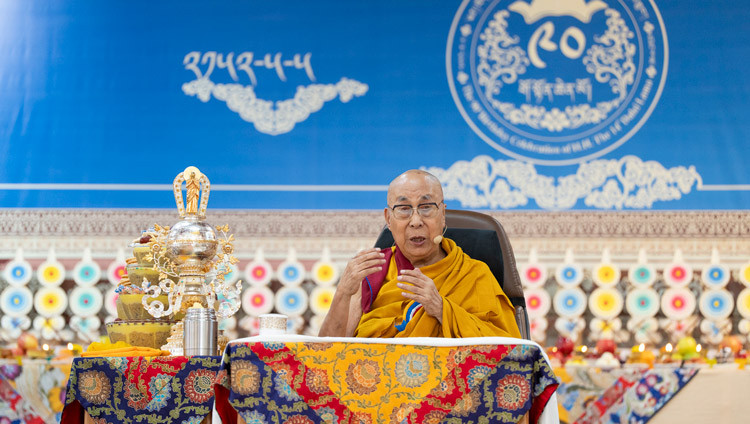
Dharamshala, India (July 6, 2025) — As the 14th Dalai Lama marked his 90th birthday, global attention turned not only to celebrations of his life but also to the future of Tibetan spiritual leadership and the exile administration he helped establish. The milestone prompted renewed discussion about succession, religious authority, and the political future of the Tibetan movement.
In statements made around his birthday, the Dalai Lama reaffirmed that the centuries-old institution of the Dalai Lama will continue after his lifetime. He stated that responsibility for identifying his successor will rest with his personal office, the Gaden Phodrang Trust, in consultation with senior Tibetan Buddhist leaders and the broader Tibetan community. His remarks were widely seen as an effort to clarify the succession process and prevent external interference.
Beijing has long maintained that it holds the authority to approve the reincarnation of Tibetan Buddhist leaders, including the Dalai Lama. Tibetan leaders in exile and international rights advocates, however, argue that the recognition of a spiritual successor is a religious matter that should remain free from state control. The question of succession has therefore become a focal point of tension between China and the Tibetan exile community.
For Tibetans living in exile, the Dalai Lama represents both spiritual guidance and national identity. Over decades in India, he has overseen the development of democratic institutions, schools, monasteries, and cultural organizations that form the backbone of the Central Tibetan Administration. Many in the diaspora view the preservation of these institutions as essential to safeguarding Tibetan culture and political aspirations.
The succession issue also carries international implications. Several governments have expressed support for religious freedom and the right of Tibetan Buddhists to determine their own spiritual leadership without coercion. As geopolitical tensions between China and Western countries continue, the future of the Dalai Lama’s institution remains intertwined with broader diplomatic concerns.
While birthday celebrations in Dharamshala were marked by prayer, gratitude, and cultural events, the moment also underscored a turning point. As the Dalai Lama enters his tenth decade, Tibetans and observers alike are looking ahead—reflecting on his legacy while preparing for a future that will test the resilience of the institutions and ideals he has long championed.