Destroyed Monasteries and Erased Identity: Concerns Grow Over China’s Policies Toward Tibetan Buddhism
International concern is growing over China’s policies toward Tibetan Buddhism, as reports from Tibetan organisations and human rights groups describe increasing restrictions on monasteries, religious education, and cultural practices across Tibet and Tibetan-populated regions.
Critics argue that Beijing’s long-term policies are reshaping Tibetan religious institutions through tighter state control, surveillance measures, and campaigns promoting the “Sinicisation” of religion. Tibetan advocacy groups claim these efforts threaten centuries-old Buddhist traditions and weaken Tibetan cultural identity.
Monasteries Face Increased Restrictions
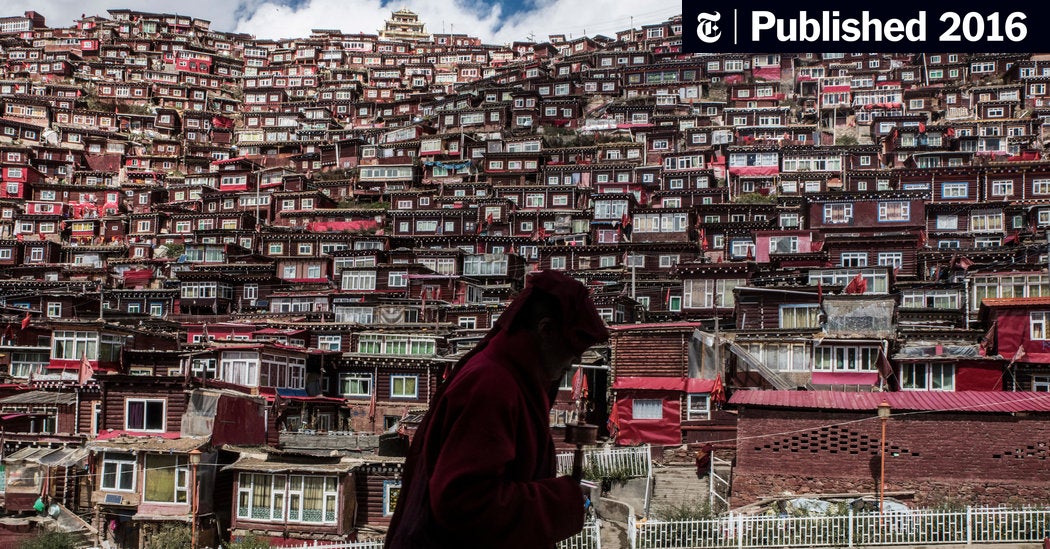
Tibetan monasteries have historically served as centres of education, spirituality, language preservation, and community life. However, reports suggest that many monasteries now operate under strict government oversight, with authorities regulating religious gatherings, monastic enrolment, and public teachings.
Human rights organisations state that monks and nuns are increasingly required to undergo political education programs focused on loyalty to the Chinese Communist Party. Some monasteries have reportedly faced demolition, downsizing, or restrictions on renovation and expansion projects.
Concerns Over Cultural Assimilation
Tibetan groups accuse Chinese authorities of promoting policies aimed at assimilating Tibetan identity into mainstream Chinese culture. Critics point to restrictions on Tibetan-language education, tighter controls on religious institutions, and surveillance systems introduced across Tibetan regions.
Advocacy organisations argue that these measures are contributing to the gradual erosion of traditional Tibetan culture and Buddhist practices. They claim that younger generations are increasingly disconnected from Tibetan religious teachings and cultural heritage due to state-controlled educational policies.
Historical Destruction of Tibetan Religious Sites
Concerns over the destruction of monasteries and sacred Buddhist structures in Tibet date back decades. During China’s Cultural Revolution, thousands of Tibetan monasteries, temples, scriptures, and religious artefacts were reportedly destroyed or severely damaged.
While some monasteries were later rebuilt, Tibetan groups say restrictions on religious freedom have continued in different forms through administrative regulations, surveillance systems, and controls over religious leadership.
China Defends Its Tibet Policies
Beijing rejects accusations of cultural repression and maintains that Tibet has experienced major improvements in infrastructure, healthcare, education, and economic development under Chinese governance. Chinese officials argue that government policies are necessary to preserve national unity, combat separatism, and maintain social stability.
China also states that Tibetan Buddhism is protected under Chinese law and that monasteries continue to function legally across Tibetan regions. Authorities frequently accuse foreign governments and exile groups of politicising Tibet-related issues to interfere in China’s internal affairs.
Global Debate Over Religious Freedom in Tibet
International rights groups, scholars, and Tibetan exile organisations continue to call for greater global attention to the situation in Tibet. Concerns over religious freedom, cultural preservation, and human rights have increasingly become part of wider geopolitical tensions between China and Western countries.
Analysts believe Tibet remains one of the most politically sensitive issues in China’s international relations, especially as debates continue over the future of Tibetan Buddhism, the role of monasteries, and the preservation of Tibetan cultural identity in the modern era.