Festivals of Tibet Showcase Rich Cultural Heritage and Spiritual Traditions
Tibet (2026) — Tibet’s annual festivals continue to highlight the region’s vibrant culture, spiritual life, and communal traditions, attracting both local participants and international visitors eager to experience the unique celebrations. These events combine religious devotion, traditional arts, music, dance, and social gatherings, offering insight into centuries-old Tibetan customs.
One of the most famous festivals is the Shoton Festival, known as the Yogurt Festival, celebrated with the unveiling of massive thangka paintings, traditional opera performances, and communal feasts. Monks, locals, and tourists alike participate in prayer rituals, prostrations, and performances, blending spiritual observance with cultural celebration.
Other significant festivals include the Monlam Prayer Festival, dedicated to universal peace and well-being, where monks and laypeople engage in collective prayers, chanting, and ritual ceremonies. The Saga Dawa Festival, marking the birth, enlightenment, and death of the Buddha, is observed with pilgrimages, offerings, and devotional acts that draw Tibetans from across the plateau.
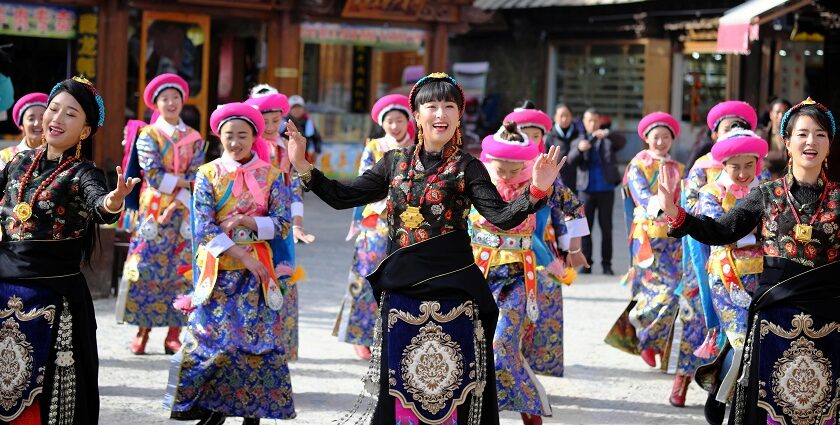
Festival activities often incorporate folk dances, music, and colorful costumes, helping preserve artistic traditions while strengthening community bonds. Visitors can witness mask dances, ceremonial processions, and regional crafts, providing a living connection to Tibetan history and identity.
Food also plays an important role in these celebrations, with offerings such as butter tea, tsampa, and yogurt shared among communities to symbolize hospitality, generosity, and spiritual blessings.
Tibetan festivals not only serve as a spiritual and social anchor for local communities but also promote cultural tourism, offering outsiders a chance to engage respectfully with Tibetan heritage. Organizers emphasize that participation helps ensure the continuity of traditions, passing knowledge and values to younger generations.
Overall, Tibet’s festivals remain a vibrant testament to the resilience, creativity, and faith of its people, reflecting a unique blend of spirituality, artistry, and communal life that continues to thrive despite modern pressures.