More Than 300 Tibetan Stupas and Sacred Statues Reportedly Demolished by Chinese Authorities
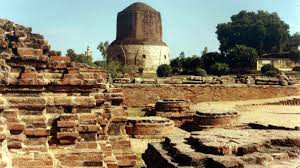
Chinese authorities have reportedly demolished more than 300 Tibetan Buddhist stupas and several sacred religious statues in eastern Tibet, raising fresh concerns among human rights groups and Tibetan organisations over religious freedom and cultural preservation in the region.
The demolitions allegedly took place in Drakgo County in the traditional Tibetan region of Kham, where authorities destroyed medium-sized and large stupas near Janggang Monastery. Reports also claim that statues connected to important figures in Tibetan Buddhism were removed or destroyed during the operation.
Religious Structures Targeted Near Monastery
According to Tibetan sources, Chinese officials demolished several recently built religious structures at Lungrab Zang-ri, a sacred Buddhist site visited by Tibetan pilgrims and monks. The structures reportedly included hundreds of stupas built by local devotees as symbols of faith, peace, and spiritual merit.
Tibetan advocacy groups stated that authorities also destroyed statues of Guru Padmasambhava, also known as Guru Rinpoche, one of the most revered figures in Tibetan Buddhism, along with a statue linked to Khenpo Jigme Phuntsok, founder of the Larung Gar Buddhist Academy.
Security Restrictions Imposed After Demolitions
Reports indicate that Chinese authorities imposed tight security restrictions following the demolitions. Local Tibetans were allegedly warned against sharing information or photographs of the incident with outsiders, while surveillance and monitoring in the region reportedly increased significantly.
Tibetan exile organisations claim that residents who discussed the demolitions risked detention or questioning by security officials. Communication restrictions and travel controls were also reportedly implemented around the monastery area to prevent information from spreading internationally.
Growing Concerns Over Religious Freedom in Tibet
International human rights organisations and Tibetan advocacy groups have strongly criticised the reported destruction, describing it as part of a wider campaign targeting Tibetan religious identity and cultural heritage. Activists argue that monasteries and sacred Buddhist sites in Tibet have increasingly come under government pressure through surveillance, restrictions on religious activities, and tighter administrative controls.
Experts on Tibetan culture say Buddhist stupas hold deep spiritual significance in Tibetan society and often serve as centres for pilgrimage, prayer, and community gatherings. The demolition of such structures is viewed by many Tibetans as an attack on religious tradition and cultural identity.
China Defends Religious Regulations
Chinese authorities have consistently defended policies regulating religious institutions in Tibet, stating that all religious activities must comply with national laws and land management rules. Beijing maintains that its policies are designed to preserve social stability, prevent extremism, and support economic development in Tibetan areas.
China also rejects accusations of cultural repression, arguing that Tibetan language, religion, and traditions are protected under Chinese law. However, rights groups continue to express concern over restrictions on monasteries, religious education, and the growing role of state supervision in Tibetan Buddhist institutions.
International Debate Over Tibet Intensifies
The reported demolition of Tibetan stupas and sacred statues has intensified international debate surrounding China’s policies in Tibet at a time of rising geopolitical tensions between Beijing and Western countries. Human rights advocates have called on international organisations and governments to closely monitor developments in Tibetan regions and raise concerns regarding religious freedom and cultural preservation.
Analysts believe incidents involving Tibetan monasteries increasingly carry global significance as discussions over human rights, ethnic identity, and freedom of religion continue to shape international relations with China.