Report Warns China’s National Park Plans Threaten Tibetan Nomads and Grasslands
Sydney / Tibetan Plateau (2026) — A detailed report published by the Australia Tibet Council has raised serious concerns about Chinese government policies that could accelerate the forced displacement of Tibetan nomads and undermine both sustainable land stewardship and cultural traditions on the high plateau. The report argues that China’s rollout of a new national park system, spanning vast areas of Tibet, risks depopulating rural grasslands and marginalising the very communities that have sustained these ecosystems for centuries.
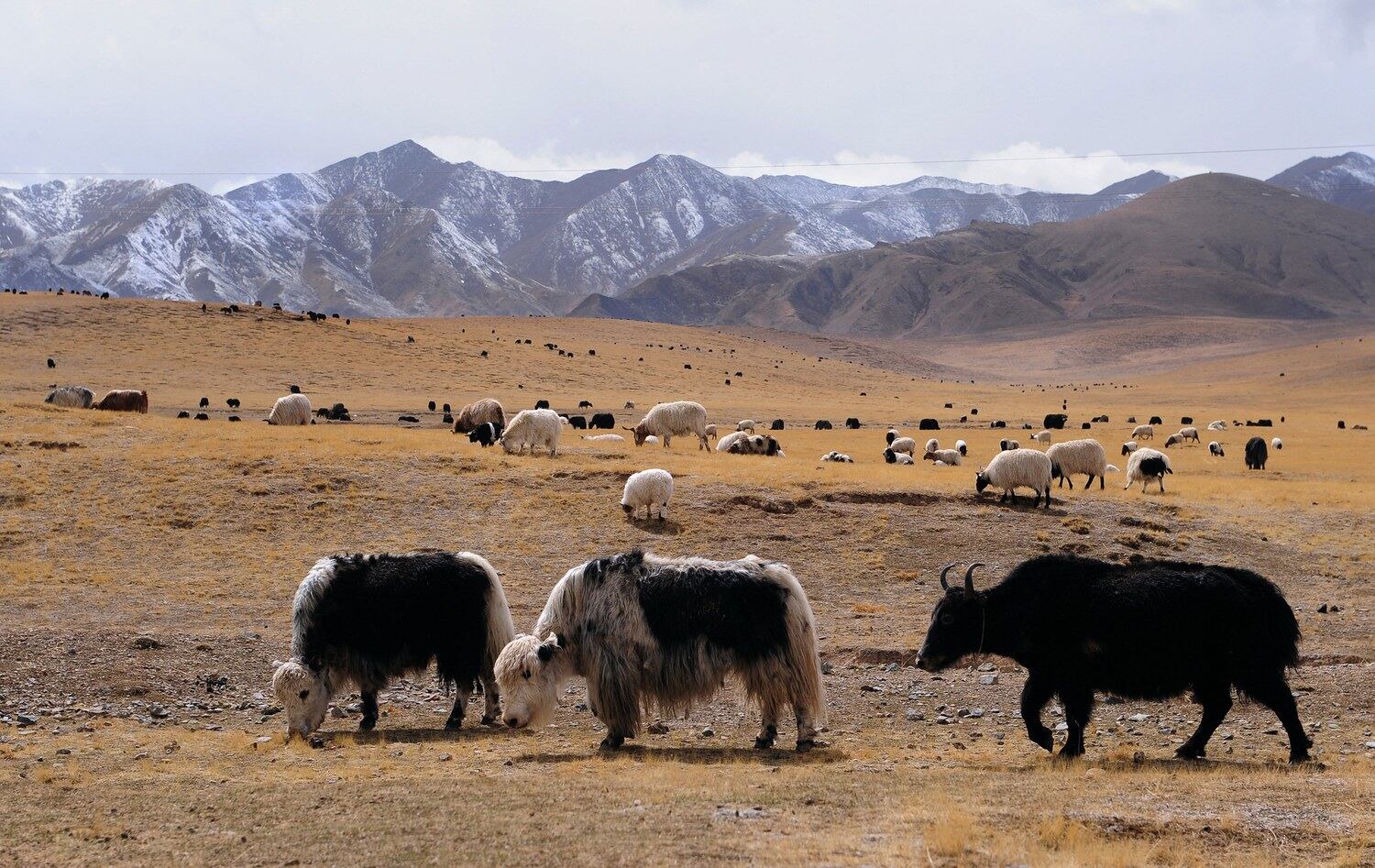
Tibetan nomadic pastoralists have lived in harmony with the harsh but productive environments of the plateau for generations. Their traditional seasonal migrations with yaks, sheep, and goats are finely adapted to local conditions and have historically maintained healthy grasslands through careful, mobile grazing. This sustainable co-existence, the report asserts, has made nomads vital custodians of biodiversity and watershed health — crucial not only to Tibet but also to the rivers that supply water to much of Asia.
However, China’s approach to environmental protection, poverty alleviation, and climate goals, as laid out in national park plans and other policies, tends to exclude human presence from large protected areas. While framed as conservation and development, these policies often result in nomads being pushed off their ancestral lands in the name of “ecological civilisation.” Critics argue that removing nomads and restricting their mobility — a cornerstone of their traditional livelihood — can actually harm ecological balance and grassland health rather than improve it.
The report highlights how depopulation and enforced fencing have previously contributed to grassland degradation in Tibet, a problem sometimes mistakenly blamed solely on nomadic grazing. By contrast, the nomads’ collective land-management practices involve decisions based on deep ecological knowledge, helping to sustain vegetation, wildlife habitats, and soil quality.
China’s policy justification for nomadic relocation is often economic or framed as poverty alleviation. But displaced communities report that life in resettlement — typically on urban fringes with limited job prospects and social support — can leave former nomads worse off and disconnected from their culture and identity.
The report urges policymakers, conservation organisations, and development agencies to reconsider models that automatically exclude indigenous land users from protected areas. It calls for co-management strategies that include nomadic communities in environmental planning, uphold their land rights, and integrate traditional ecological knowledge with modern conservation goals.
Advocates stress that true sustainable development in Tibet must balance biodiversity protection with cultural preservation and human livelihood, ensuring nomads can continue their role as stewards of the grasslands while benefiting from education, healthcare, and modern amenities without forced relocation.
The report’s findings come amid broader discussions about indigenous land rights, global climate commitments, and how high-altitude ecosystems like the Tibetan Plateau should be managed for future generations. The Australia Tibet Council’s work shines a spotlight on how environmental policies can carry profound social and cultural consequences when they overlook the voices of local people.