Tashilhunpo Monastery and the Historic City of Shigatse
Shigatse, Tibet — Nestled in the rugged highlands of western Tibet, Shigatse stands as a city rich in history, culture, and spiritual significance. It is the second‑largest urban centre in the Tibetan Autonomous Region and long served as a key cultural hub connecting the Tibetan plateau with surrounding regions. Historically the capital of the traditional Tibetan province of Tsang, Shigatse lies at the confluence of the Yarlung Tsangpo (Brahmaputra) and Nyangchu rivers and remains an important crossroads between Lhasa, Nepal, and western Tibet today.
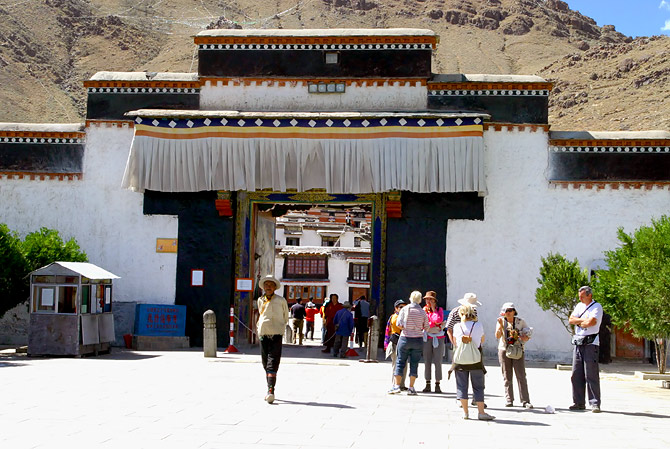
At the heart of Shigatse’s cultural and religious identity is Tashilhunpo Monastery — known in Tibetan as “Heap of Glory.” Founded in 1447 by the 1st Dalai Lama, this monastery has long been the traditional seat of the Panchen Lama, the second highest spiritual authority in the Gelug school of Tibetan Buddhism. It became one of the four great monasteries of Central Tibet and a centre of learning and spiritual practice for centuries.
Tashilhunpo’s sprawling complex once housed thousands of monks and featured four tantric colleges, each led by its own abbot. Among its most remarkable treasures is a towering 26‑metre golden statue of Maitreya, crafted in 1914 under the 9th Panchen Lama’s direction with hundreds of kilograms of gold and adorned with semi‑precious stones. The monastery also contains numerous stupas, including those built to honour successive Panchen Lamas, richly decorated with gold, jewels, and intricate murals.
The monastery’s name reflects its spiritual significance — a place said to gather “all fortune and happiness” — and it continues to draw pilgrims and visitors alike. One notable feature, the Thangka Wall, dates back to the 15th century. Each year during the fifth month of the Tibetan calendar, massive religious paintings depicting the Buddhas of the past, present, and future are unfurled in a sacred display attracting devotees from across the region.
While the monastery experienced turmoil and suppression under Chinese rule in the mid‑20th century, it has since undergone revival efforts, with hundreds of monks once again studying Buddhist philosophy and practice. Around the complex, ancient dormitories, assembly halls, and historic relics stand as a testament to the depth of Tibetan religious life and architectural craftsmanship.
Shigatse itself offers more than religious heritage. The region blends natural beauty with cultural landmarks, from the hilltop remnants of the Shigatse Dzong (fortress) overlooking the city to bustling markets and emerging infrastructure connecting it with broader travel routes in Tibet.
For travellers and pilgrims alike, Shigatse represents the intersection of Tibetan history, devotion, and resilience — a place where ancient spiritual traditions continue to thrive amid the dramatic landscapes of the high plateau.