
Tibet’s Ice Under Threat: BBC Reports on Climate Change Impact in the Himalayas
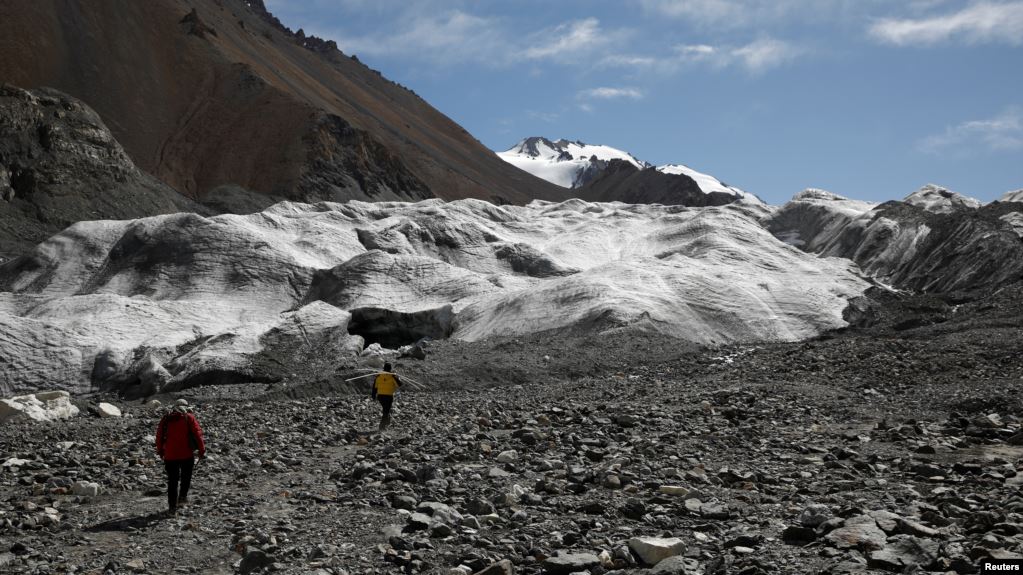
Lhasa, Tibetan Plateau (2025) — Researchers are raising alarms about the rapid pace of climate change on the Tibetan Plateau, one of the most environmentally sensitive regions on Earth and a critical source of freshwater for billions of people across Asia. Scientists say that warming temperatures are having profound effects on Tibet’s glaciers, permafrost, and ecosystems, with far-reaching consequences for water security, weather patterns, and local communities.
Tibet — often called the “Third Pole” because it contains the largest store of ice outside the polar regions — has experienced temperatures above historical averages in recent years due to global climate change. This warming trend has accelerated glacial melt, thinning permafrost, and earlier snowmelt in key watersheds that feed Asia’s major rivers...
The accelerated melting of Himalayan and Tibetan glaciers clearly reflects broader global warming trends, where ice loss is a sensitive indicator of rising temperatures. According to recent research, glacier retreat is contributing to changes in the region’s hydrology and seasonal water availability — increasing risks of both floods in the short term and water scarcity in the long term. The loss of ice mass also has implications for rising sea levels worldwide.
Moreover, climate-driven changes are affecting Tibet’s fragile ecosystems. Alpine meadows and grasslands are shifting as temperature and precipitation patterns change, threatening habitats for endemic wildlife and the livelihoods of nomadic herders whose grasses and pastures are integral to traditional ways of life.
The transformation of the Tibetan climate also has wider environmental significance because of the plateau’s role in shaping monsoon systems and atmospheric circulation over Asia. Changes in surface temperatures and snow or ice cover can alter the energy balance of the region, potentially influencing rainfall patterns during critical agricultural seasons.
The situation has drawn attention from climate scientists around the world, who emphasise the importance of monitoring the Third Pole closely and developing adaptation strategies for vulnerable communities. Many scientists argue that limiting global warming will help preserve ice reserves and reduce the most severe impacts on water resources, economies, and ecosystems across the broader region.
As the climate crisis unfolds, Tibet remains a key front line in understanding how high-mountain environments respond to warming — and how these changes ripple across continents and societies.