Tibetan and East Turkistan Representatives Seek US Support for Independence Movements
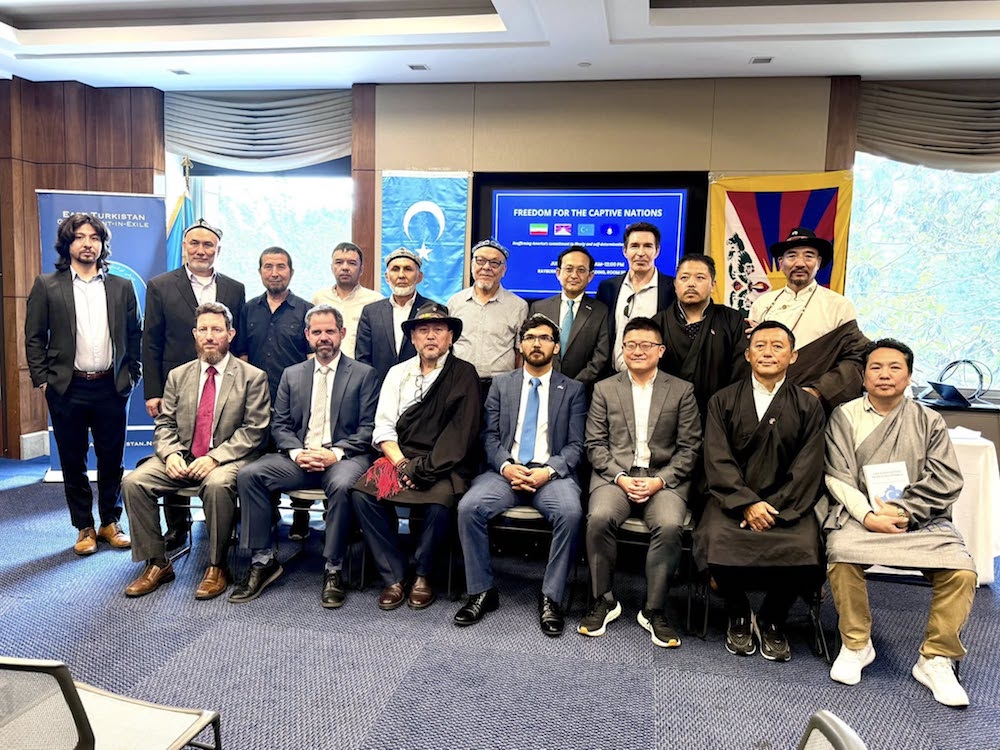
Representatives from Tibetan and East Turkistan advocacy groups jointly appealed to members of the United States Congress for stronger international support for their independence movements, intensifying global attention on China’s policies toward ethnic minorities and disputed territories.
The advocacy campaign was organised in Washington DC on May 15, 2026, and involved delegates from the Tibetan Patriots for Independence, the East Turkistan Government in Exile, the East Turkistan National Movement, and the East Turkistan National Fund. According to organisers, the groups met with the offices of six US senators and more than twenty members of the House of Representatives.
Calls for Recognition of Tibet and East Turkistan
During the event at the Dirksen Senate Office Building, speakers urged the United States and allied countries to recognise Tibet and East Turkistan as occupied territories and support their demands for independence. Activists argued that international discussions focused solely on human rights were insufficient without addressing what they described as “Chinese colonial occupation.”
Salih Hudayar, president of the East Turkistan National Movement and foreign minister of the East Turkistan Government in Exile, reportedly described China as a “colonial empire” rather than a traditional nation-state. He argued that independence was necessary to ensure the survival and cultural identity of Uyghurs and Tibetans.
Advocacy groups submitted policy recommendations to Congress that included recognising East Turkistan as an occupied country, creating a US Special Coordinator for East Turkistan, and strengthening existing American legislation related to Uyghur rights. The groups also requested support for petitions before the United Nations and international legal actions against Chinese officials.
Tibetan Activists Raise Independence and Cultural Concerns
Tibetan representatives additionally submitted a formal petition urging US lawmakers to recognise February 13 as Tibet Independence Day and oppose what they described as China’s forced assimilation policies in Tibet. The petition called for protection of Tibetan religion, language, culture, and environmental resources.
Tibetan activist Tenzin Wangdu stated that Tibet historically functioned as an independent nation with its own government, currency, language, and cultural identity. He urged members of Congress to support Tibetan freedom, religious liberty, and self-determination.
China Rejects Separatist Movements
China has consistently rejected claims supporting Tibetan or East Turkistan independence and maintains that both Tibet and Xinjiang Uyghur Autonomous Region are inseparable parts of Chinese territory. Beijing frequently describes independence movements in these regions as separatist activities that threaten national unity and social stability.
Chinese authorities also deny allegations of cultural suppression and human rights abuses, arguing that government policies in Tibet and Xinjiang have improved economic development, infrastructure, education, and public security. International human rights organisations, however, continue to express concerns regarding religious freedom, surveillance, detention policies, and restrictions on minority cultures in both regions.
Growing Global Focus on Tibet and Uyghur Issues
The advocacy campaign comes amid rising tensions between the United States and China over trade, security, Taiwan, and human rights. Western governments and rights groups have increasingly criticised Beijing’s policies toward Tibetans and Uyghurs, while China accuses foreign countries of interfering in its internal affairs.
Analysts say the joint Tibetan and East Turkistan lobbying effort reflects growing international coordination among exile movements seeking greater global recognition and political support. The issue is expected to remain central in debates surrounding human rights, ethnic identity, and geopolitical competition between China and Western democracies.