Tibetan Beauty Standards: Tradition, Spirituality, and Culture Shape Perceptions of Aesthetics
Tibet (2026) — In the highlands of the Tibetan Plateau, concepts of beauty are deeply intertwined with cultural heritage, spiritual values, and centuries‑old artistic traditions, according to cultural observers and local residents. Far from being defined solely by physical appearance, Tibetan beauty standards reflect a rich tapestry of meaning woven into everyday life and ceremonial expression. (oreateai.com)
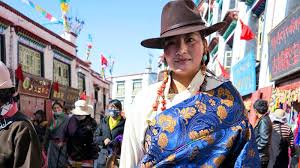
At the heart of Tibetan aesthetics are traditional garments and textiles, especially the ornate brocades and robes worn during festivals, religious ceremonies, and family celebrations. Vibrant colors such as deep reds—symbolizing good fortune—and brilliant blues associated with peace are not mere fashion choices but embodiments of spiritual symbolism and cultural narrative. These hues echo motifs found in Buddhist iconography and Tibetan art, where each thread carries meaning beyond mere decoration. (oreateai.com)
Observers note that clothing plays a central role in how beauty is perceived in Tibetan society. A young woman preparing for an important occasion may select attire crafted from Lhasa brocade, rich with colors and golden threads that shimmer in the bright mountain sunlight. These garments—themselves products of regional weaving traditions—serve as visual storytellers, linking wearers with ancestral practices and local identity. (oreateai.com)
Beyond textiles, cultural values such as grace, respect for elders, and communal harmony are also integral to local ideals of beauty. Residents commonly say that a warm, sincere smile or measured comportment can be as attractive as elaborate dress, underscoring the importance of inner character and social conduct in defining aesthetic worth. (oreateai.com)
While modern fashion trends have begun to influence urban centers like Lhasa, many designers blend contemporary styles with traditional Tibetan motifs, preserving cultural expression even as tastes evolve. However, in rural areas where customs remain strong, adherence to traditional aesthetics continues to shape community perceptions of beauty and worthiness. (oreateai.com)
Experts on Tibetan culture emphasize that these beauty standards are not static but evolve with social change, creating space for dialogue between heritage preservation and contemporary self‑expression. For many young Tibetans, navigating between tradition and global trends remains an ongoing process—one that highlights the dynamic interplay between culture, identity, and personal expression across generations. (oreateai.com)