Resilience and Resistance: The Tibetan Freedom Movement in the Face of Chinese Oppression
Washington, D.C. (March 22, 2024) — The Tibetan freedom movement continues to draw global attention as activists, scholars, and community leaders highlight both the ongoing challenges faced by Tibetans under Chinese rule and the enduring resilience of their cultural identity.
At the heart of the movement is a demand for respect for basic human rights, religious freedom, and preservation of Tibet’s unique language and traditions. For decades, Tibetans inside Tibet and across the diaspora have documented experiences of surveillance, restrictions on religious practice, and limitations on freedom of expression. These concerns form the core of what many advocates describe as persistent systemic oppression.
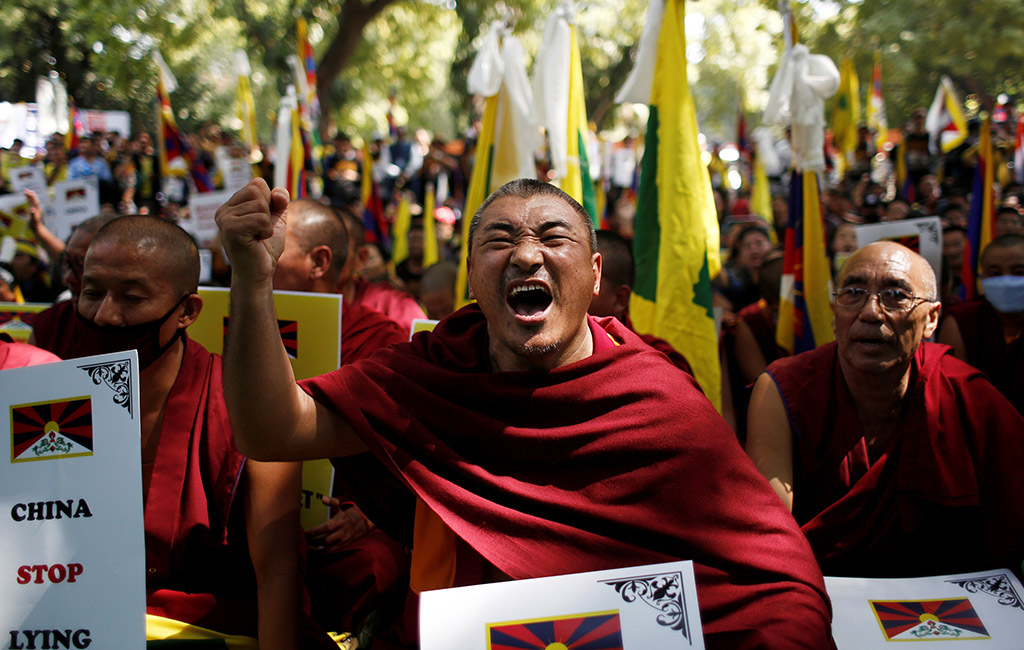
Despite these pressures, the Tibetan community has demonstrated remarkable strength and unity. Grassroots efforts within Tibet and around the world have mobilised support through cultural events, advocacy campaigns, educational programs, and public demonstrations aimed at maintaining awareness of Tibetan rights and identity. Social media and digital platforms have become vital tools for spreading Tibetan voices and connecting supporters internationally.
Central to the movement is the narrative of nonviolent resistance. Inspired by the long legacy of peaceful advocacy associated with His Holiness the 14th Dalai Lama, Tibetans and allies emphasise dialogue, compassion, and human dignity while resisting assimilation policies that many say threaten the survival of Tibetan culture. From prayer gatherings and peaceful marches to artistic performances and academic forums, these acts of resistance underscore a refusal to quietly accept repression.
Community organisations have also worked to preserve the Tibetan language, one of the most endangered aspects of cultural life in the region. Language preservation initiatives, including bilingual education and digital archiving of oral histories, are seen as essential to maintaining cultural continuity. Proponents argue that without language, other elements of identity — including religion, music, and storytelling — risk fading.
The movement’s leaders also highlight the role of the international community. Support from human rights groups, foreign governments, and global civil society has helped amplify Tibetan concerns and apply diplomatic pressure on Chinese authorities. International human rights resolutions and public statements have reinforced calls for access to Tibetan regions for independent monitoring and for respect for internationally recognised rights.
Despite challenges, including travel restrictions and limited independent reporting from within Tibet, activists report ongoing efforts by ordinary Tibetans to assert their identity. Whether through local cultural festivals, monastic gatherings, or quiet acts of daily devotion, these expressions serve as reminders of a vibrant culture that perseveres despite adversity.
As global awareness grows, the Tibetan freedom movement stands as a testament to the power of resilience and peaceful resistance. Advocates say their struggle is not only about political autonomy but also about safeguarding a rich cultural heritage for future generations, rooted in compassion, community, and shared history.