Tibetan Identity and Cultural Survival in Focus Amid Growing Assimilation Concerns
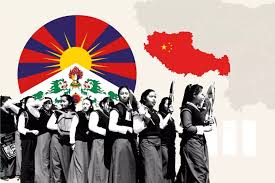
Tibetan advocacy groups and international observers are raising growing concerns over the future of Tibetan identity as Chinese government policies continue to reshape education, religion, and social life across Tibetan regions.
Activists and scholars argue that Tibetans increasingly face pressure to adapt to policies promoting stronger integration into mainstream Chinese society, while traditional Tibetan language, culture, and religious practices encounter tighter state control.
Debate Over Tibetan Cultural Identity Intensifies
The discussion surrounding Tibetan identity has gained renewed attention amid concerns over cultural assimilation, state-run boarding schools, and restrictions on religious institutions. Critics claim that younger generations of Tibetans are growing up in environments where Mandarin Chinese dominates education and public life, reducing opportunities to preserve Tibetan language and traditions.
Tibetan exile organisations argue that many Tibetans increasingly feel caught between preserving their cultural heritage and adapting to government policies designed to encourage national integration and political loyalty.
Boarding Schools and Language Policies Under Scrutiny
International human rights groups have repeatedly expressed concern over the expansion of state-run boarding schools in Tibetan areas. Reports suggest that large numbers of Tibetan children are separated from their families for extended periods while receiving education primarily in Mandarin Chinese.
Advocacy organisations argue that limiting Tibetan-language instruction weakens cultural continuity and reduces children’s connection to Tibetan history, religion, and traditional community life.
Religious Institutions Face Tightened Controls
Tibetan Buddhist monasteries, historically central to Tibetan identity and education, continue to face growing restrictions under Chinese government regulations. Rights groups claim monasteries are increasingly monitored through surveillance systems, political education programs, and limits on religious activities.
Public displays of photographs of the Dalai Lama remain banned in many Tibetan regions, while authorities continue to impose controls on religious gatherings and monastic enrolment.
China Defends Policies in Tibetan Regions
Beijing rejects accusations of forced assimilation and maintains that its policies in Tibetan regions are aimed at improving economic development, modern education, poverty reduction, and social stability.
Chinese officials argue that bilingual education programs and infrastructure investments have improved living standards and expanded opportunities for Tibetan communities. Authorities also insist that Tibetan culture and religion are protected under Chinese law.
International Attention on Tibet Continues
Human rights organisations and Tibetan advocacy groups continue to call for stronger international attention to issues involving Tibetan cultural preservation, religious freedom, and language rights.
Analysts say debates surrounding Tibetan identity are likely to remain central in international discussions involving China, particularly as concerns grow over the future of minority cultures, religious traditions, and ethnic diversity within the country.