Tibetan Youth Embrace Cultural Heritage Through Dance and Tradition
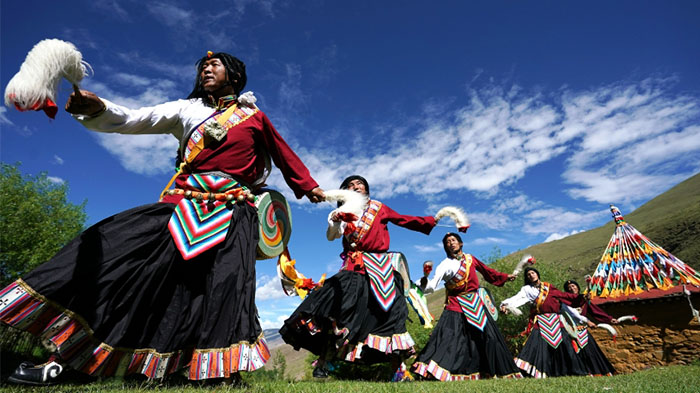
Shangri-La, China (June 19, 2020) — A vibrant cultural event in the majority-Tibetan city of Shangri-La brought together young people and community members to celebrate and preserve traditional Tibetan heritage. Around 160 participants gathered in Dukezong — an ancient town known for its Tibetan culture — for a contest featuring the traditional dance Guozhuang, a cherished communal art form.
Guozhuang is more than a performance; it is a symbol of cultural identity and respect for nature. Originating from Tibetan folk traditions, the circle dance is traditionally performed around bonfires, accompanied by rhythmic music that reflects centuries-old customs. In Shangri-La, both older residents and young adults regularly dance and sing together, keeping the practice alive through generational participation.
Local young people have embraced Guozhuang not only as a cultural expression but also as a way to maintain ethnic memory and community ties. After long days of work or study, many youth choose to dance in the town squares, blending joy and tradition as they move to the fast-paced rhythms. One local resident explained that the dance helps relieve stress and connects him to his roots, much like other forms of relaxation serve people elsewhere.
Tourism has played a role in bringing wider awareness to these traditions. As visitors from around the world watch and sometimes join in, local guides see opportunities to share Tibetan culture and deepen understanding among outsiders while boosting the local economy.
In nearby Nixi township, traditional customs continue to be passed down in daily life — from the preparation of butter tea in handmade black pottery to the celebration of ancient sayings and shared community wisdom. These practices, rooted in centuries of Tibetan history, contribute to a resilient cultural identity that persists amid social change.
The gathering in Dukezong underscores the importance of cultural preservation among Tibetans, particularly youth who are blending ancient traditions with contemporary life. Their engagement with traditional arts such as Guozhuang dance highlights a commitment to keeping Tibetan heritage vibrant and relevant for future generations.