Tibetans March in Taipei to Protest Beijing’s Repression
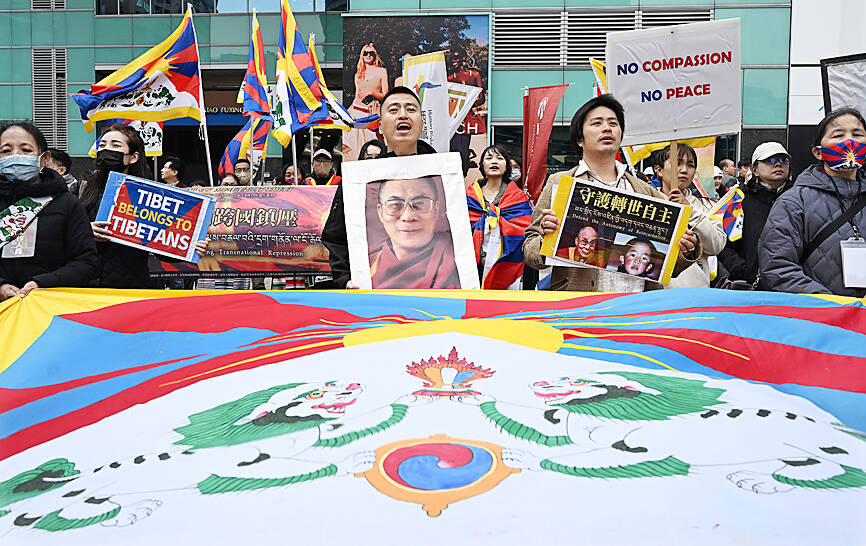
Hundreds of Tibetans and human rights supporters marched in Taipei to protest what they described as increasing repression by China. The demonstration was held ahead of the anniversary of the 1959 Tibetan Uprising, which is commemorated each year on March 10 by Tibetan communities around the world.
Participants carried Tibetan flags, banners, and portraits of His Holiness the 14th Dalai Lama. Protesters called attention to what they described as the suppression of Tibetan culture, religion, and identity under Chinese rule.
During the rally, Kelsang Gyaltsen Bawa, chairman of the Tibet Religious Foundation of His Holiness the Dalai Lama, warned that Chinese authorities are attempting to reshape Tibetan identity and history. He also raised concerns about the growing use of the Mandarin term “Xizang” instead of Tibet, saying it could influence how the international community views the region.
Activists also highlighted policies affecting Tibetan children. According to speakers at the event, many Tibetan students are placed in state-run boarding schools where they are separated from their families and encouraged to adopt Mandarin language and culture. Protesters argued that such policies threaten the survival of Tibetan traditions and identity.
Another issue raised during the march was religious freedom. Speakers said Chinese authorities are attempting to control the recognition of the next reincarnation of the Dalai Lama, a process that has traditionally been decided within Tibetan Buddhist institutions.
Human rights advocates from Taiwan also joined the demonstration in solidarity. Yeh Ta-hua, a member of Taiwan’s National Human Rights Commission, said that protecting human rights and democratic values requires international attention and cooperation.
Some activists also shared personal experiences. Tashi Tsering, a Tibetan activist born in exile, said he has been unable to contact family members in Tibet for years because of his political activities. According to him, relatives of activists often face pressure or restrictions from authorities.
The march served both as a remembrance of past events and as a call for greater global awareness of the situation in Tibet. Organizers estimated that around 300 people participated in the demonstration through the streets of Taipei.
For many participants, the event was not only about remembering the uprising of 1959, but also about continuing the effort to preserve Tibetan culture, identity, and human rights in the present day.