The Tibetan Rebellion of 1959: A Turning Point in Himalayan History
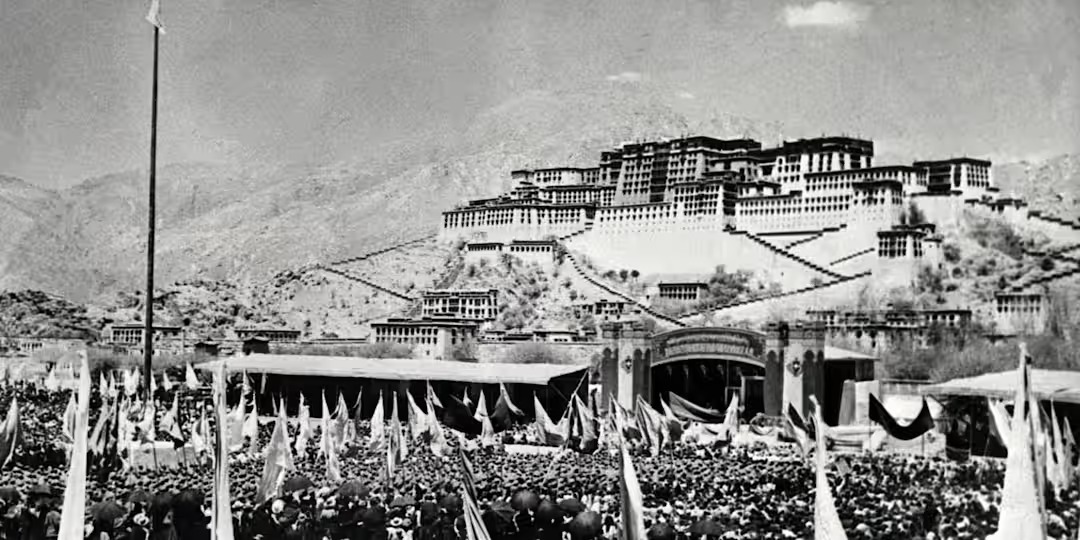
On 10 March 1959, thousands of Tibetans gathered in the city of Lhasa to protest Chinese rule and protect their spiritual leader, the 14th Dalai Lama. What began as a peaceful demonstration soon escalated into a major uprising against Chinese authority in Tibet. Although the revolt was eventually suppressed, it became one of the most significant events in modern Tibetan history.
The origins of the conflict can be traced back to 1950, when troops from the People’s Liberation Army entered Tibet after the establishment of the People’s Republic of China. In 1951, Tibet signed an agreement acknowledging Chinese sovereignty while allowing the Dalai Lama to remain the region’s spiritual and political leader. However, tensions between the Tibetan population and Chinese authorities steadily increased in the following years.
By the mid-1950s, resistance to Chinese rule had begun to spread across eastern Tibet. Many Tibetans feared that Chinese reforms threatened their religion, traditions, and political autonomy. As fighting intensified in rural areas, refugees and resistance fighters moved toward Lhasa, creating a tense and unstable atmosphere in the capital.
The immediate spark for the uprising came when Chinese military officials invited the Dalai Lama to attend a cultural event at their headquarters. According to the invitation, he was expected to attend without his usual bodyguards. This unusual request led many Tibetans to fear that Chinese authorities planned to detain him.
In response, huge crowds gathered around the Norbulingka Palace, the Dalai Lama’s summer residence. Thousands of Tibetans formed a human shield to prevent their leader from attending the event and potentially falling into Chinese custody. What began as a protective gathering soon turned into a large-scale rebellion demanding the withdrawal of Chinese troops.
Chinese forces responded quickly. The People’s Liberation Army launched military operations and began shelling areas around the palace and other parts of Lhasa. Tibetan fighters, who were poorly equipped compared with the Chinese army, were eventually overwhelmed. The uprising was crushed after days of intense fighting, resulting in thousands of deaths.
As the situation deteriorated, the Dalai Lama decided to escape from Tibet. Disguised as a soldier, he secretly left Lhasa with a small group of followers and began a dangerous journey across the Himalayan mountains.
After several days of travel through harsh terrain, he reached India, where Prime Minister Jawaharlal Nehru granted him political asylum. Many Tibetan refugees later followed him into exile, establishing communities in India and other parts of the world.
The Dalai Lama eventually settled in Dharamshala, in the Indian state of Himachal Pradesh. From there, he established a Tibetan government-in-exile that continues to advocate for Tibetan cultural preservation and autonomy.
More than six decades later, the events of March 1959 remain deeply significant. Tibetans around the world commemorate Tibetan Uprising Day each year on March 10, remembering those who lost their lives and reflecting on the lasting impact of the rebellion.