Tightening of an “Invisible Net”: New Security Measures in Eastern Tibet Heighten Surveillance and Control
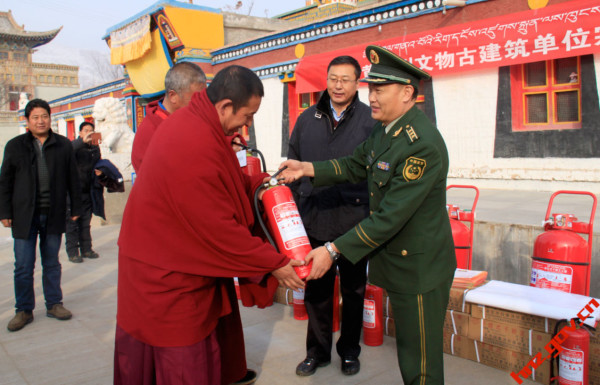
Eastern Tibet (2026) — Authorities in eastern Tibetan regions have reportedly introduced a series of new security measures that residents and rights observers say are increasing surveillance and restricting everyday freedoms. The measures, described by locals as an “invisible net,” are designed to monitor movements, communications, and public gatherings more closely than ever before.
Sources in the region report that officials have expanded the use of security checkpoints, police patrols, and civilian informants, extending oversight into towns and rural villages. These efforts are said to target both permanent residents and visiting Tibetans, with authorities monitoring social interactions, religious practices, and community events.
Digital surveillance has also intensified, with residents required to register online accounts and provide identification linked to state databases. Internet use is closely monitored, and tools that allow access to information beyond state control, such as virtual private networks (VPNs), are being restricted. Individuals found using such tools risk being summoned or questioned by authorities.
Rights groups warn that these measures are part of a broader strategy to curb dissent and control cultural expression, especially during periods of traditional festivals or political sensitivity. Residents report feeling increased pressure to avoid public discussion of political or religious matters, and some have curtailed travel and social activity to avoid attracting official attention.
The new security protocols are reportedly affecting daily life, including education, work, and religious practice. Community members say that even routine gatherings are closely observed, and any perceived deviation from state-approved behavior can lead to interrogation or warnings.
Experts on Tibetan human rights caution that the “invisible net” approach, combining physical and digital surveillance, not only limits personal freedom but also has long-term effects on cultural preservation, community cohesion, and social trust. They urge international observers to monitor developments and advocate for the protection of basic human rights in the region.
The tightening of security in eastern Tibet reflects a continuing trend in which state authorities seek to maintain strict control over the region’s population, raising concerns about the balance between governance, public safety, and the preservation of cultural and religious traditions.