UN Experts Question Legality of China’s Ethnic Unity Law Over Minority Rights Concerns
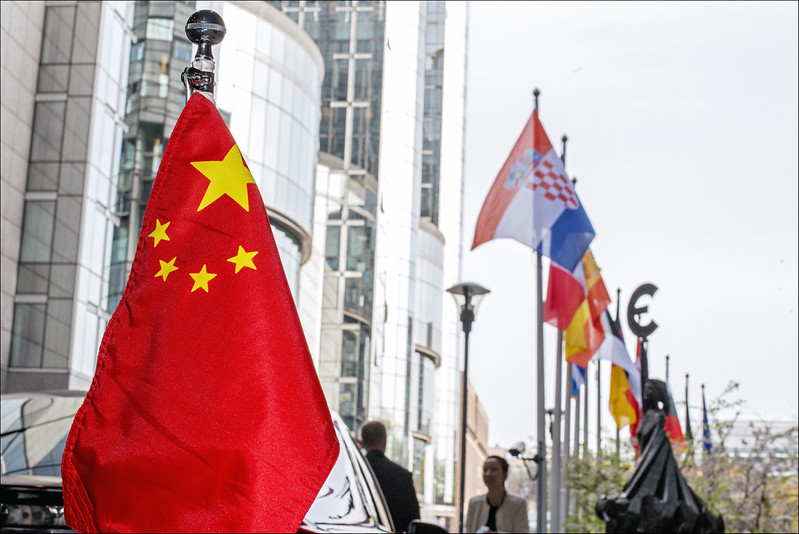
A group of United Nations human rights experts has raised serious concerns over China’s newly adopted Law on Promoting Ethnic Unity and Progress, warning that the legislation could threaten the cultural, linguistic, and religious rights of ethnic minorities including Tibetans, Uyghurs, and Mongolians. The law is scheduled to take effect on July 1, 2026.
According to reports from international rights organisations and Tibetan advocacy groups, UN Special Rapporteurs questioned whether the law complies with China’s obligations under international human rights treaties. Experts warned that the legislation may intensify state-led assimilation policies by prioritising a unified national identity over ethnic diversity. The concerns were outlined in an official communication sent to the Chinese government in April 2026.
The law was passed during China’s annual National People’s Congress session in March 2026. Beijing has described the legislation as necessary for strengthening national unity, social cohesion, and economic development among China’s 56 officially recognised ethnic groups. However, critics argue that the policy reflects a broader push toward the “Sinicisation” of minority communities under President Xi Jinping.
Concerns Over Minority Language and Cultural Rights
One of the key concerns highlighted by UN experts involves the law’s emphasis on promoting Mandarin Chinese as the dominant language in schools, public institutions, and official communication. Rights groups fear that such measures could gradually reduce the use of minority languages, particularly Tibetan and Uyghur, among younger generations.
The UN communication also criticised vague wording in the legislation, including provisions targeting activities that allegedly “undermine ethnic unity.” Experts warned that such broad language could be used to restrict freedom of expression, cultural practices, academic research, and peaceful assembly.
International advocacy organisations have argued that the law may formalise existing assimilation policies already implemented in Tibet and Xinjiang. Several groups claim the legislation could further centralise state control over education, religion, and cultural identity in minority regions.
Tibet and International Reaction
Tibetan exile organisations welcomed the intervention by UN experts, describing the law as a threat to Tibetan identity and religious freedom. The Central Tibetan Administration and various human rights groups have urged Beijing to suspend implementation of the law and revise it in accordance with international legal standards.
Analysts say the controversy surrounding China’s ethnic unity law has intensified global debates on human rights, cultural preservation, and national sovereignty. The issue has also attracted international attention because of growing geopolitical tensions between China and Western democracies over Tibet, Xinjiang, and broader human rights concerns.
China Defends the Law
Chinese authorities have rejected allegations of forced assimilation and defended the legislation as a necessary framework for maintaining national stability and ethnic harmony. Beijing insists that the law protects minority cultures while promoting equal economic opportunities and national integration.
Chinese state media has also argued that the policy balances development with cultural protection and accused foreign critics of interfering in China’s domestic affairs. Officials maintain that Tibet, Xinjiang, and other minority regions remain integral parts of China and that national unity remains a core state priority.
Global Debate Continues
The debate over China’s new ethnic unity law is expected to continue as international organisations, legal experts, and governments examine its long-term impact on minority communities. With the legislation set to come into force in July, rights advocates fear increased restrictions on ethnic identity, language education, and religious freedom across several regions of China.