
UN Panel Warns Chinese Policies Are Increasing Climate Risks for Tibetan Nomads
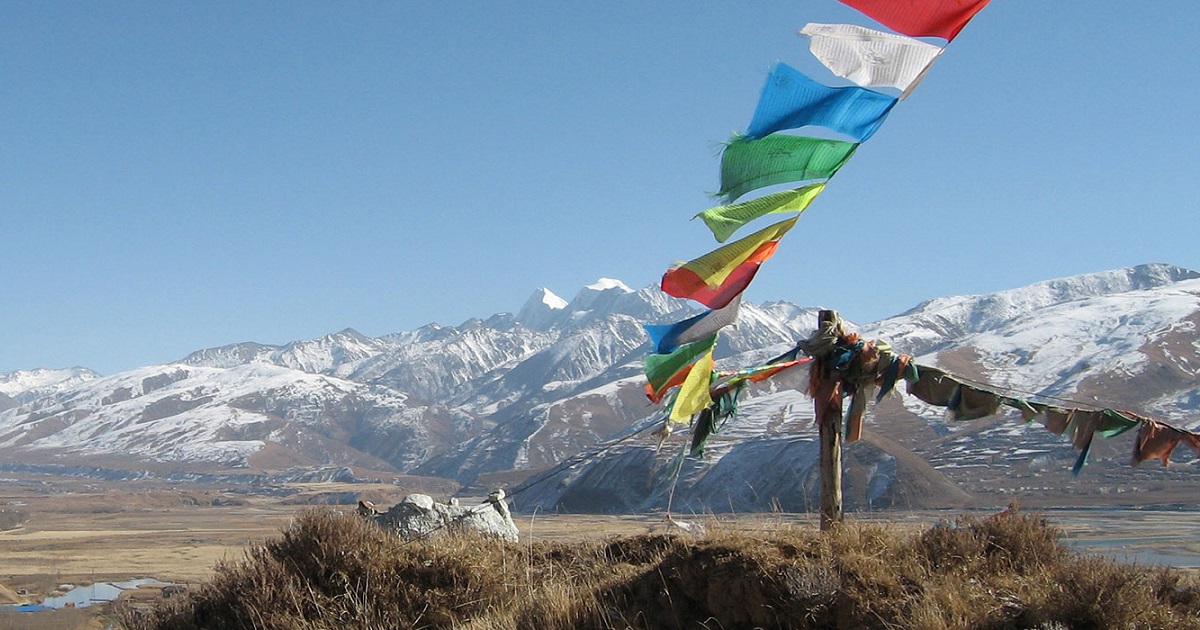
Geneva (2026) — A United Nations expert panel has raised alarm over the impact of Chinese government policies on the fragile environment of the Tibetan Plateau, warning that recent development initiatives may be worsening climate vulnerability for nomadic herders and their traditional livelihoods.
The panel’s findings highlight that infrastructure projects, changes in land use, and state-led economic programmes across Tibetan regions are interacting with climate change in ways that amplify environmental stress. These compounded pressures threaten the grasslands and ecosystems that nomadic communities have depended upon for centuries.
Nomadic herding — a way of life for many Tibetans living on the high plateau — is uniquely adapted to the region’s extreme conditions. Traditional patterns involve seasonal movements with livestock such as yaks and sheep, enabling sustainable grazing across vast alpine pastures. However, experts say that road construction, mining activity, fencing of pasturelands, and large-scale resettlement policies are disrupting these age-old patterns, limiting mobility and reducing access to key grazing areas.
The panel emphasised that these disruptions, when combined with accelerating climate change, are increasing vulnerability to drought, pasture degradation, and water scarcity. Warming temperatures on the plateau have contributed to earlier snowmelt, shifts in plant species composition, and changing rainfall patterns — factors that already strain nomadic herders’ ability to predict and adapt to changing conditions.
Chinese development policies in the region often prioritise infrastructure, resource extraction, and settlement schemes that bring economic opportunities but carry environmental costs. Critics argue that these policies are being implemented without sufficient local participation or consideration of their long-term ecological impact. The result, they say, is a loss of traditional resilience mechanisms that nomadic societies have refined over generations.
The UN panel stressed that nomadic mobility — the ability to move herds in response to seasonal and climatic variability — is essential to the sustainability of the grassland ecosystem. Restricting this mobility through fencing, urban expansion, or forced relocation disrupts grazing balances, increases overgrazing in confined areas, and accelerates land degradation.
Experts pointed out that climate change alone poses significant risks through rising temperatures and increased frequency of extreme weather events. But when combined with land-use changes driven by policy, the cumulative impact on herder communities becomes far more severe. Some herders have already reported reduced herd sizes, difficulty finding adequate forage, and increased reliance on government subsidies and fixed-location livestock feed.
The panel called for greater inclusion of traditional ecological knowledge in planning and decision-making, saying that successful adaptation strategies must integrate community voices and respect nomadic practices. They also urged investment in locally led climate-resilience programmes that support the sustainable management of grasslands and water resources.
The situation of Tibetan nomads reflects wider concerns about balancing development, cultural preservation, and environmental protection on the plateau. As global climate patterns continue to change, the UN panel’s warnings underline the need for policies that safeguard both ecological health and the cultural heritage of indigenous and nomadic populations.