US Highlights China’s Alleged Atrocities Against Tibetans Ahead of Trump’s China Visit
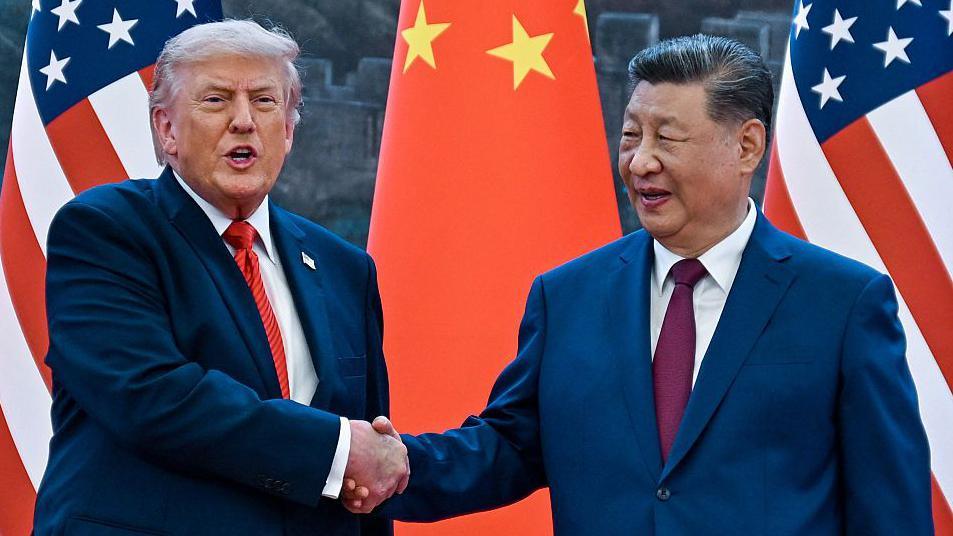
The United States has intensified its focus on China’s human rights policies in Tibet ahead of President Donald Trump’s upcoming visit to Beijing, with American lawmakers and officials raising concerns over alleged atrocities against Tibetans and the treatment of Tibetan refugees in South Asia.
According to reports, the US House Appropriations Committee has called for stronger diplomatic engagement with Nepal to protect the rights and safety of Tibetan refugees living in the country. Thousands of Tibetans in Nepal reportedly remain without official documentation after refugee registration processes were halted in 1995 under pressure from Beijing.
US Senate Introduces Tibet Atrocities Determination Act
In a significant political move, bipartisan US senators recently introduced the Tibet Atrocities Determination Act, legislation that would require the US government to formally assess whether China’s actions in Tibet constitute genocide or crimes against humanity. The proposed bill cites allegations involving forced displacement, detention, cultural suppression, surveillance, boarding school systems, and restrictions on Tibetan Buddhism.
The legislation follows broader American initiatives such as the Resolve Tibet Act, which seeks to challenge China’s historical claims regarding Tibet and encourage dialogue between Beijing and Tibetan representatives. US lawmakers have increasingly linked Tibet-related concerns to wider discussions on religious freedom, minority rights, and authoritarian governance.
Trump-Xi Meeting Draws International Attention
President Trump’s expected meeting with Chinese President Xi Jinping has attracted global attention due to rising tensions between Washington and Beijing over trade, technology, Taiwan, and human rights. Analysts say Tibet has once again emerged as a sensitive diplomatic issue ahead of the summit.
Human rights organisations and Tibetan advocacy groups have urged the Trump administration to directly raise concerns regarding Tibet during discussions with Chinese officials. Activists have also called for stronger US action against what they describe as cultural assimilation policies targeting Tibetans.
Concerns Over Tibetan Refugees and Cultural Rights
US officials have additionally expressed concern regarding the condition of Tibetan refugees living in Nepal and India. The House committee proposed maintaining funding for Tibetan refugee assistance programs and cultural preservation initiatives in the region. Reports suggest the proposed US fiscal year 2027 budget includes millions of dollars for Tibetan humanitarian and cultural support projects.
Human rights groups accuse China of intensifying restrictions on Tibetan language education, religious institutions, freedom of movement, and cultural expression. International watchdogs have repeatedly described Tibet as one of the most heavily restricted regions for journalists, researchers, and foreign observers.
China Rejects Allegations
Beijing has consistently denied allegations of human rights abuses in Tibet, insisting that the region has historically been part of China and that government policies have improved economic development, infrastructure, education, and living standards. Chinese officials describe foreign criticism over Tibet as interference in China’s internal affairs and accuse Western governments of politicising human rights issues.
Chinese authorities also maintain that policies implemented in Tibet are necessary to preserve national unity, maintain social stability, and combat separatism. State media frequently portrays Tibet as a region that has benefited significantly from state-led modernisation efforts.
Global Debate Over Tibet Continues
As President Trump prepares for high-level discussions with Chinese leaders, Tibet remains a major point of contention in US-China relations. Analysts believe the renewed focus on Tibetan human rights could influence diplomatic negotiations and intensify global scrutiny of China’s policies toward ethnic and religious minorities.
The issue is expected to remain central in international debates involving human rights, religious freedom, cultural preservation, and geopolitical competition between the world’s two largest powers.