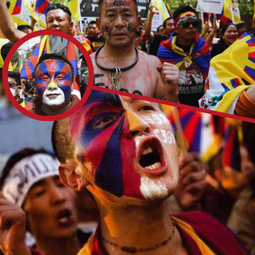
On 10 March 1959, thousands of Tibetans gathered in the capital city of Lhasa to protest Chinese rule and protect their spiritual leader, the 14th Dalai Lama.
What began as a mass demonstration quickly escalated into a full-scale uprising against Chinese authority in Tibet.
The revolt was eventually crushed by Chinese forces, but its consequences reshaped Tibet’s political future and led to the Dalai Lama’s exile in India.
A new book titled “China’s Colonial Game in Tibet” was launched on March 6, 2026, in Dharamshala, India, just days before the
annual observance of Tibetan National Uprising Day on March 10. The event brought together
Tibetan activists, journalists, and community members to discuss the political and cultural situation in Tibet.
A group of United Nations human rights experts has raised serious concern about Chinese government policies in Tibet that appear to promote cultural, linguistic,
and religious assimilation of Tibetan people through a nationwide residential schooling system and related measures.
Their statements highlight what independent observers describe as significant threats to Tibetan identity today.
A comprehensive report by the U.S. Congressional‑Executive Commission on China (CECC) examines decades of Tibetan self‑immolation protests,
documenting how this extreme form of peaceful protest has spread in frequency, geographical reach,
and diversity of participants as a response to Chinese policies in Tibetan regions.
The report underscores self‑immolation as a stark reflection of deeply rooted grievances within Tibetan communities.